
Respect Synonyms: 33 Simple Words for Everyday Use
Respect can describe how highly you think of someone and how carefully you treat their rights, feelings or wishes. These 33 respect synonyms help you express admiration, formal honor, careful treatment and obedience without confusing their meanings.
Quick Answer
For everyday admiration, use admire, esteem or regard. For deep, formal honor, choose revere or venerate. For careful treatment, try acknowledge, heed or uphold. For rules and laws, use follow, abide by or comply with.
Remember that respect has two main jobs. It describes a feeling of admiration and an action that shows care or obedience. A word that fits one job may not fit the other.
What Does Respect Mean?
Respect is both a noun and a verb. As a noun, it describes a feeling of admiration or polite behavior toward someone or something important. As a verb, it describes how you think about someone and how you act toward their rights, wishes or authority.
Oxford Advanced Learner’s Dictionary gives three main noun and verb uses worth separating.
Respect as a noun
1. Admiration for good qualities or achievements
Respect can mean a strong feeling of approval because someone has good qualities or has achieved something worthwhile.
For example, you might respect a teacher for her patience, knowledge and years of service.
2. Polite behavior and care
Respect can also describe polite behavior toward someone or something you consider important. It includes treating people fairly and caring about their rights, feelings and wishes.
For example, giving someone privacy or listening without interrupting can show respect.
3. An aspect or detail
There is another noun meaning that has nothing to do with admiration. In expressions such as “in many respects,” the word means “in some ways.”
For example:
The two plans are similar in several respects.
In this respect, the school needs more support.
Don’t confuse this meaning with admiration. It does not belong in a list of respect synonyms.
Respect as a verb
1. To admire someone
You respect someone when you have a very good opinion of their qualities, work or achievements.
For example, you might respect a coach for being fair to every player.
2. To treat something carefully
Respect can mean being careful about another person’s rights, feelings, privacy or wishes. It also means avoiding actions that could be considered wrong.
For example, employers should respect their employees’ privacy.
3. To obey a law or principle
Respect can also mean agreeing not to break a law, rule or principle.
For example, drivers must respect the speed limit.
Cambridge Dictionary groups important verb meanings under ADMIRE and HONOR. Its examples include respecting someone’s feelings, the environment and the law.
Merriam-Webster also connects respect with considered evaluation, appropriate treatment and high regard.
The three jobs of respect
These meanings give us three practical jobs:
- Feeling: You admire, esteem or regard someone.
- Careful treatment: You acknowledge, heed or uphold someone’s rights and wishes.
- Obeying: You follow a rule, abide by an agreement or comply with a law.
A synonym must fit the job you want to describe. You can admire a teacher, respect a person’s privacy and obey a school rule. These actions are related, but they aren’t interchangeable.
The respect word family
These related forms help you use the word correctly:
- Respectful: An adjective describing polite or considerate behavior.
- Respectfully: An adverb describing how someone acts or speaks.
- Respected: An adjective describing someone who receives high regard.
- Self-respect: A noun describing a person’s sense of their own worth.
- Disrespect: A noun or verb describing a lack of respect.
For example, “She is a respected teacher who speaks respectfully to her students.”
When to Use Respect Synonyms
The best synonym depends on the person, situation and action. A word that fits a thank-you email may sound strange in a legal report.
Here are five common situations.
1. When praising someone’s work
Use admire, esteem or regard when you want to express a good opinion of someone’s abilities or achievements.
Examples:
I admire the patience you showed during the project.
Our team holds her in high regard.
His colleagues esteem him for his honesty.
Admire sounds warm and personal. Esteem carries a more serious sense of lasting value. Regard works well in professional writing, often with a qualifier such as “highly.”
2. During ceremonies and formal writing
Choose revere, venerate, homage or tribute when the situation calls for deep or public honor.
Examples:
Many people revere the founder for his service.
The community continues to venerate its elders.
The concert was a tribute to the school’s first principal.
The film pays homage to early jazz musicians.
These choices aren’t everyday replacements. Revere and venerate express deep admiration, while homage and tribute describe acts of honor.
3. In emails and apologies
Use acknowledge or recognize when you want to show that another person’s concern, right or contribution matters.
Examples:
I acknowledge your concerns about the schedule.
We recognize the effort you put into this work.
These words don’t automatically promise agreement. Acknowledging someone’s concern means accepting that it deserves attention.
4. When discussing rules and laws
Use follow, abide by or comply with when you mean obeying a rule, policy or agreement.
Examples:
All visitors must follow the safety instructions.
Employees are expected to abide by the company policy.
Every contractor must comply with the safety requirements.
These are action words, not expressions of admiration. You don’t comply with a person to show that you respect them.
5. In everyday conversation
Use admire, value or follow according to your meaning.
Examples:
I admire how calmly she handles difficult situations.
I value the trust we’ve built.
We follow the same rules at home.
If you simply want to express a sincere good opinion, the word respect may still be your best choice.
Respect and its prepositions
The preposition matters. These common patterns are correct:
| Pattern | Example |
|---|---|
| Respect FOR someone or something | I have great respect for my grandmother. |
| Show respect TO or TOWARD someone | Show respect to everyone in the room. |
| Treat something WITH respect | Please treat the old photographs with respect. |
Don’t write “I respect to him.” Write “I respect him” or “I have respect for him.”
Benefits of Using Respect Synonyms
Using the right synonym makes your meaning clearer. It also helps your writing sound natural instead of repeating the same word in every sentence.
Here are five practical benefits.
1. Avoid repeating the same word
Repeating respect several times can make a paragraph sound dull.
For example:
“I respect my manager. I respect her decisions. I respect her experience.”
You could write:
“I admire my manager. I value her decisions and hold her experience in high regard.”
The revised version gives each thought its own meaning.
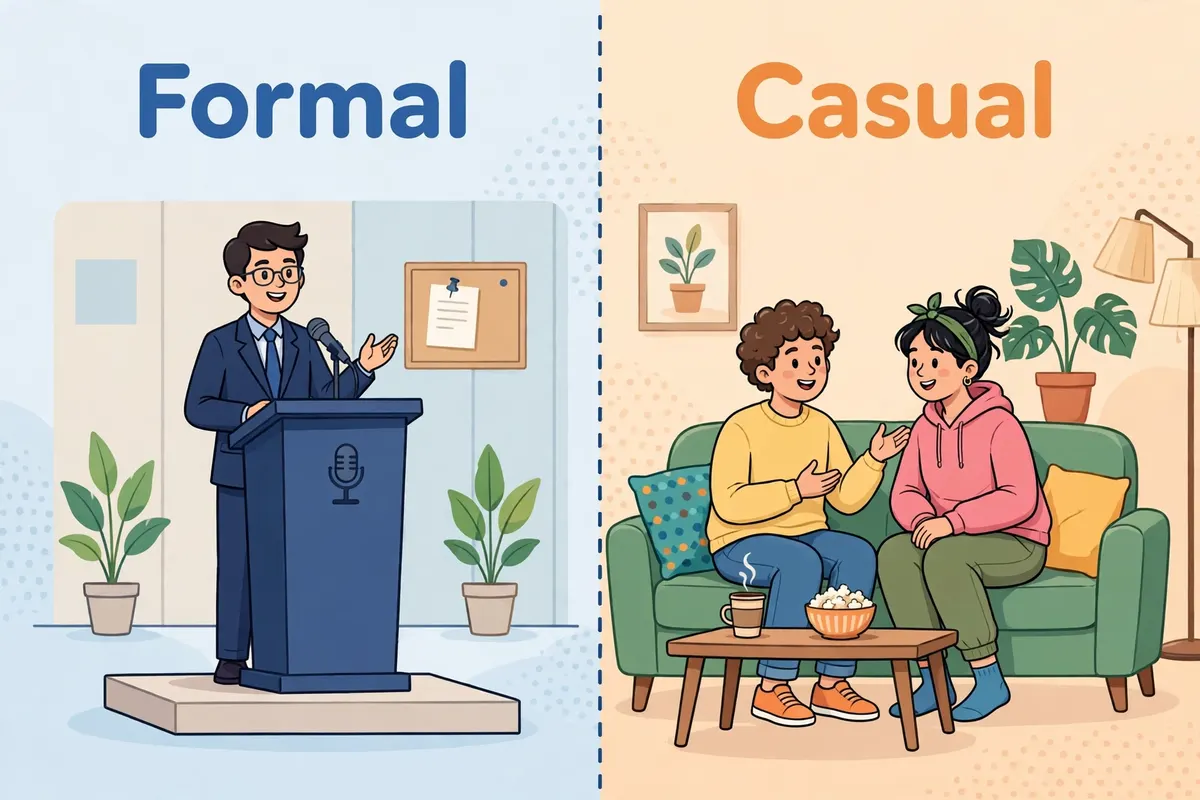
2. Match formal and casual language
Some words fit everyday conversation. Others belong in speeches, reports or formal letters.
- Everyday: admire, praise, follow.
- Professional: regard, esteem, acknowledge.
- Formal: revere, venerate, deference.
Choosing the right tone keeps your message suitable for its audience.
3. Explain how respect works
The word respect can describe several different actions. A synonym can tell readers exactly what you mean.
- Feeling: admire someone’s honesty.
- Care: acknowledge someone’s concerns.
- Protection: safeguard someone’s rights.
- Obedience: comply with the rules.
This distinction matters in workplace messages, school assignments and formal writing.
4. Avoid words that suggest worship
Some words carry much stronger feelings than ordinary respect.
Worship, idolize, adore, deify and canonize suggest deep devotion or worship. They aren’t simple replacements for respect.
Writing “I respect my teacher” sounds natural. Writing “I worship my teacher” suggests something far stronger.
5. Avoid using a rule word for a person
Follow and obey can describe actions toward instructions or authority. Comply with usually takes a rule, law or request as its object.
For a person, defer to is often more suitable when you accept their judgment or authority.
The right choice prevents awkward sentences and keeps your meaning clear.
33 Best Respect Synonyms at a Glance
These 33 words and phrases are divided into four groups according to the job they perform.
The first nine describe admiration. The next seven express formal or deep honor. Another nine describe careful treatment. The final eight relate to following rules and authority.
Two entries need special care. Obeisance is rare and mainly worth recognizing in older or historical writing. Comply with belongs with rules, laws and requests, never people.
| Synonym | Tone | Best for |
|---|---|---|
| Admire | Warm, everyday | Everyday talk, messages, essays about people |
| Esteem | Formal, warm | Formal writing, speeches, long-standing regard |
| Regard | Neutral, formal | Formal writing, reports, professional praise |
| Admiration | Warm, neutral | Essays, speeches, thank-you notes |
| Appreciation | Warm, grateful | Thank-you notes, emails, everyday talk |
| Honor | Formal, respectful | Ceremonies, speeches, formal writing |
| Praise | Warm, everyday | Everyday talk, reviews, school writing |
| Adoration | Very warm, strong | Stories, personal writing |
| Reverence | Formal, solemn | Ceremonies, formal writing, tributes |
| Revere | Formal, deep | Formal writing, essays, tributes |
| Venerate | Very formal, solemn | Formal writing, history, religion, tributes |
| Deference | Formal, polite | Formal writing, business, polite disagreement |
| Homage | Formal, public | Films, books, ceremonies, tributes |
| Tribute | Formal, warm | Concerts, memorials, speeches, articles |
| Awe | Neutral, strong | Stories, descriptions, nature writing |
| Obeisance | Very formal, rare | Old texts, formal ceremony, historical writing |
| Heed | Formal, careful | Advice, warnings, rules in writing |
| Acknowledge | Neutral, business | Emails, meetings, apologies, formal writing |
| Recognize | Neutral, formal | School, work, legal and formal writing |
| Value | Warm, everyday | Everyday talk, emails, family and work writing |
| Prize | Warm, strong | Personal writing, stories, thank-you notes |
| Uphold | Formal, strong | Law, reports, formal writing, speeches |
| Observe | Formal, careful | Rules, customs, agreements, formal writing |
| Safeguard | Formal, protective | Law, policy, formal writing |
| Cherish | Warm, personal | Personal writing, family, stories |
| Follow | Plain, everyday | Everyday talk, school, work, instructions |
| Abide by | Formal, steady | Contracts, codes of conduct, formal writing |
| Comply with | Formal, official | Law, safety, company policy, official writing |
| Defer to | Formal, polite | Meetings, decisions, professional writing |
| Submit to | Formal, unwilling | Formal writing, decisions, legal contexts |
| Accede to | Very formal | Diplomacy, negotiations, formal writing |
| Bow to | Figurative, formal | News, formal writing, figurative use |
| Obey | Plain, direct | Rules, parents, teachers, law, everyday talk |
Synonyms for Admiring Someone
These nine choices describe admiration, approval and a good opinion of someone. Some sound warm and personal, while others suit professional writing.
1. Admire
Tone: Warm, everyday
Uses: Everyday talk, messages, essays about people.
Part of speech: Verb
Meaning: To think highly of someone for a quality or an achievement.
Explanation: Admire is one of the most natural everyday choices for respect. It often sounds warmer and more enthusiastic because it adds personal appreciation, not just a considered judgment.
Examples:
I admire how patiently Maria teaches new students.
We admire his honesty during difficult conversations.
2. Esteem
Tone: Formal, warm
Uses: Formal writing, speeches, long-standing regard.
Part of speech: Verb (also noun)
Meaning: To value someone warmly and seriously, often after long experience.
Explanation: Esteem describes a high opinion that carries warmth and lasting value. It often suits someone whose character or work has earned trust over many years.
Examples:
Her former students esteem her for her fairness.
The board holds the director in high esteem.
3. Regard
Tone: Neutral, formal
Uses: Formal writing, reports, professional praise.
Part of speech: Verb (also noun)
Meaning: To hold someone in a good opinion.
Explanation: Regard is a general word for having a good opinion of someone. It usually sounds more natural with a qualifier, such as highly regarded or held in high regard.
Examples:
The hospital regards her as an excellent surgeon.
He is highly regarded throughout the teaching profession.
4. Admiration
Tone: Warm, neutral
Uses: Essays, speeches, thank-you notes.
Part of speech: Noun
Meaning: The feeling of high regard for someone’s qualities or achievements.
Explanation: Admiration names the feeling rather than the action of admiring someone. Use it when you want to describe why a person’s abilities, effort or character impress you.
Examples:
I have deep admiration for her courage.
His dedication earned the admiration of the entire team.
5. Appreciation
Tone: Warm, grateful
Uses: Thank-you notes, emails, everyday talk.
Part of speech: Noun
Meaning: Grateful recognition of someone’s worth or effort.
Explanation: Appreciation adds gratitude to the idea of respect. It’s a good choice when someone’s help, time or hard work deserves thanks, rather than a simple judgment of their qualities.
Examples:
We have great appreciation for your support.
Her appreciation for the volunteers was clear in her speech.
6. Honor
Tone: Formal, respectful
Uses: Ceremonies, speeches, formal writing.
Part of speech: Verb (also noun)
Meaning: To treat someone as worthy of praise, in word or action.
Explanation: Honor is suitable when you publicly recognize someone’s service, achievements or character. It can describe a ceremony, a decision or an action that shows respect.
Examples:
The school will honor its retiring principal on Friday.
We honor the people who helped build our community.
7. Praise
Tone: Warm, everyday
Uses: Everyday talk, reviews, school writing.
Part of speech: Verb (also noun)
Meaning: To say good things about someone because of what they did.
Explanation: Praise is something you express through words. Respect can be a feeling or a way of acting, while praise is the act of saying that someone’s work or behavior deserves approval.
Examples:
The coach praised Daniel for helping his teammates.
Her supervisor praised the care she took with each customer.
8. Adoration
Tone: Very warm, strong
Uses: Stories, personal writing.
Part of speech: Noun
Meaning: Deep love and admiration for someone.
Explanation: Adoration is much stronger than ordinary respect because it shades into love. It can suit personal stories or descriptions of deep affection, but it usually sounds excessive for a teacher or colleague.
Examples:
The child spoke with adoration about her grandmother.
His adoration for the musician began when he was young.
9. Reverence
Tone: Formal, solemn
Uses: Ceremonies, formal writing, tributes.
Part of speech: Noun
Meaning: Deep, quiet regard, often in a solemn or formal setting.
Explanation: Reverence suggests deep respect mixed with seriousness. It often appears in ceremonies, tributes and descriptions of traditions or people who hold a special place in a community.
Examples:
The visitors entered the memorial hall with reverence.
She spoke about her mentor with quiet reverence.
Formal Synonyms for Respect
These seven words express deep honor, polite yielding or public recognition. Most belong in formal writing, speeches, historical accounts or solemn settings.
10. Revere
Tone: Formal, deep
Uses: Formal writing, essays, tributes.
Part of speech: Verb
Meaning: To admire deeply, with a sense of awe, often for age, wisdom or achievement.
Explanation: Revere is stronger than admire. It suits people or traditions held in deep regard, often because of their wisdom, service or long history. It isn’t a natural choice for ordinary likes.
Examples:
Many people revere the doctor for her years of service.
The village continues to revere its oldest traditions.
11. Venerate
Tone: Very formal, solemn
Uses: Formal writing, history, religion, tributes.
Part of speech: Verb
Meaning: A formal, stronger form of revere, often for traditions or honored figures.
Explanation: Venerate carries a very deep sense of honor. It can sound stiff or old-fashioned in everyday writing, so save it for formal discussions of traditions, religious figures or respected leaders.
Examples:
The community venerates the founder for his generosity.
Many families venerate the traditions passed down by their elders.
12. Deference
Tone: Formal, polite
Uses: Formal writing, business, polite disagreement.
Part of speech: Noun
Meaning: Polite attention to someone’s rank, age or wishes, shown by yielding to them.
Explanation: Deference describes respectful behavior toward someone whose experience, position or judgment you recognize. It is a noun, so use it in phrases such as “show deference to” rather than as a verb.
Examples:
The young manager showed deference to the senior engineer’s experience.
She listened with deference to the chairperson’s decision.
13. Homage
Tone: Formal, public
Uses: Films, books, ceremonies, tributes.
Part of speech: Noun
Meaning: A public show of honor or thanks, often formal.
Explanation: Homage describes an act of recognition or honor. The phrase “pay homage to” is common in formal and creative writing, but homage isn’t a general replacement for the verb respect.
Examples:
The documentary pays homage to the nurses who served during the crisis.
The new mural is an homage to the town’s early artists.
14. Tribute
Tone: Formal, warm
Uses: Concerts, memorials, speeches, articles.
Part of speech: Noun
Meaning: An act or gift that shows honor and thanks.
Explanation: A tribute is something given or done to recognize a person’s contribution. It describes an act or expression, not the feeling itself, so use phrases such as “a tribute to.”
Examples:
The students prepared a tribute to their retiring teacher.
The concert was a tribute to local musicians.
15. Awe
Tone: Neutral, strong
Uses: Stories, descriptions, nature writing.
Part of speech: Noun
Meaning: Respect mixed with wonder, sometimes with a touch of fear.
Explanation: Awe can describe a powerful response to something impressive or extraordinary. The important part is wonder. Fear alone isn’t respect, and a frightening experience doesn’t automatically create awe.
Examples:
The children watched the solar eclipse in awe.
She felt awe as the mountain peaks appeared above the clouds.
16. Obeisance
Tone: Very formal, rare
Uses: Old texts, formal ceremony, historical writing.
Part of speech: Noun
Meaning: Deep respect shown by a bow or a humble gesture.
Explanation: Obeisance is a rare word that mainly appears in historical or highly formal writing. It’s useful to recognize when reading older texts, but most modern writers should choose respect, deference or a simpler phrase.
Examples:
The historical account described the guests’ formal obeisance to the ruler.
The ceremony included an act of obeisance before the royal court.
Synonyms for Treating Someone or Something with Care
Respect isn’t always about admiration. Sometimes it means accepting another person’s rights, paying attention to their wishes or protecting something valuable.
These nine verbs describe that side of respect.
17. Heed
Tone: Formal, careful
Uses: Advice, warnings, rules in writing.
Part of speech: Verb
Meaning: To pay attention to advice or a warning and act on it.
Explanation: Heed means taking advice or a warning seriously. Its usual object is advice, a warning or a request, not the person who gives it. Say “heed the warning,” not “heed the person.”
Examples:
Drivers should heed the warning signs near the bridge.
She heeded her doctor’s advice and took a few days off.
18. Acknowledge
Tone: Neutral, business
Uses: Emails, meetings, apologies, formal writing.
Part of speech: Verb
Meaning: To accept that a right, fact or feeling is real and matters.
Explanation: Acknowledge shows that you recognize another person’s concern or position. It doesn’t promise that you’ll agree or obey, but it shows that you aren’t ignoring what they’ve said.
Examples:
The manager acknowledged the team’s concerns about overtime.
I acknowledge your right to make a different choice.
19. Recognize
Tone: Neutral, formal
Uses: School, work, legal and formal writing.
Part of speech: Verb
Meaning: To accept someone’s right, role or claim as valid.
Explanation: Recognize works when you accept someone’s position, contribution or rights as valid. It can show respect by giving proper attention to something that deserves to be taken seriously.
Examples:
The school recognizes every student’s right to speak.
The company recognized her years of dedicated service.
20. Value
Tone: Warm, everyday
Uses: Everyday talk, emails, family and work writing.
Part of speech: Verb
Meaning: To treat something as important and worth protecting.
Explanation: Value expresses the importance you give to a person, quality or thing. It works especially well with privacy, trust, honesty and relationships. For a person’s abilities, admire may be a better fit.
Examples:
I value the trust we have built over the years.
Our family values honesty and kindness.
21. Prize
Tone: Warm, strong
Uses: Personal writing, stories, thank-you notes.
Part of speech: Verb
Meaning: To value something highly, often something rare or hard-won.
Explanation: Prize describes placing a high value on something important or difficult to get. It usually works better for things, memories and trust than for people. “Prize her trust” sounds more natural than “prize her.”
Examples:
She prizes the letters her grandfather left behind.
I prize the trust my closest friends place in me.
22. Uphold
Tone: Formal, strong
Uses: Law, reports, formal writing, speeches.
Part of speech: Verb
Meaning: To support and protect a value, right or standard.
Explanation: Uphold suggests active support and protection. It works well with rights, laws, principles and standards. Unlike acknowledge, which accepts that something matters, uphold means standing behind it.
Examples:
The court must uphold every person’s legal rights.
Our school works to uphold its code of conduct.
23. Observe
Tone: Formal, careful
Uses: Rules, customs, agreements, formal writing.
Part of speech: Verb
Meaning: To follow a rule, custom or agreement in practice.
Explanation: Observe has more than one meaning. It can mean watching something, but that sense isn’t a synonym for respect. Only its follow-a-rule meaning belongs here.
Examples:
All visitors must observe the museum’s safety rules.
The community observes the tradition every spring.
24. Safeguard
Tone: Formal, protective
Uses: Law, policy, formal writing.
Part of speech: Verb
Meaning: To protect a right, value or person from harm or loss.
Explanation: Safeguard focuses on protection. It works when someone’s rights, safety or interests face a risk. It doesn’t describe simple admiration, so use it when protection is part of your meaning.
Examples:
The new policy will safeguard employee privacy.
Parents should safeguard their children’s personal information online.
25. Cherish
Tone: Warm, personal
Uses: Personal writing, family, stories.
Part of speech: Verb
Meaning: To care for something deeply and protect it.
Explanation: Cherish expresses a personal and lasting attachment. It’s warmer than ordinary respect and can shade into love, so it suits memories, relationships, family traditions and trust.
Examples:
I cherish the memories of our family holidays.
She cherishes the friendship they built at school.
Synonyms for Following Rules and Authority
These eight words describe accepting instructions, meeting requirements or yielding to authority. They don’t express admiration by themselves.
Pay close attention to the objects these phrases need. A rule, request or person may require a different verb.
26. Follow
Tone: Plain, everyday
Uses: Everyday talk, school, work, instructions.
Part of speech: Verb
Meaning: To do what a rule or instruction says.
Explanation: Follow is the plainest choice when you mean doing what an instruction requires. It describes an action, not a feeling of admiration. Don’t use it as a replacement for admiring someone’s character.
Examples:
Please follow the instructions on the application form.
Every student must follow the classroom rules.
27. Abide by
Tone: Formal, steady
Uses: Contracts, codes of conduct, formal writing.
Part of speech: Phrase (verb)
Meaning: To accept and act under a rule or agreement.
Explanation: Abide by is a formal way to say that someone accepts and follows a rule. It needs an object, such as a law, agreement or policy. You can abide by the rules, but not abide by her.
Examples:
All members must abide by the club’s code of conduct.
The company agreed to abide by the contract.
28. Comply with
Tone: Formal, official
Uses: Law, safety, company policy, official writing.
Part of speech: Phrase (verb)
Meaning: A formal phrase for meeting a rule or request.
Explanation: Comply with means meeting a requirement or doing what a rule or request asks. It fits laws, safety standards and official instructions, not people. Don’t write “I comply with my teacher.” Use “defer to my teacher” when you mean accepting a person’s judgment.
Examples:
Every driver must comply with the new safety law.
The contractor agreed to comply with the building requirements.
29. Defer to
Tone: Formal, polite
Uses: Meetings, decisions, professional writing.
Part of speech: Phrase (verb)
Meaning: To accept another person’s judgment or authority.
Explanation: Defer to works when you let another person’s knowledge, position or experience guide a decision. Unlike comply with, it can take a person as its object.
Examples:
I will defer to the doctor’s judgment on this matter.
The committee decided to defer to the chairperson’s experience.
30. Submit to
Tone: Formal, unwilling
Uses: Formal writing, decisions, legal contexts.
Part of speech: Phrase (verb)
Meaning: To accept authority or control, often unwillingly or formally.
Explanation: Submit to often suggests giving in rather than showing warm respect. It can describe accepting pressure, control or authority when someone has little choice. It isn’t a friendly replacement for respect.
Examples:
The workers refused to submit to unfair demands.
The defendant had to submit to the court’s authority.
31. Accede to
Tone: Very formal
Uses: Diplomacy, negotiations, formal writing.
Part of speech: Phrase (verb)
Meaning: A formal phrase for agreeing to a request or demand.
Explanation: Accede to means agreeing to a request or accepting a demand. It sounds very formal, so everyday writers usually prefer “agree to.” It describes agreement, not admiration.
Examples:
The board agreed to accede to the residents’ request.
After long talks, the officials acceded to the proposal.
32. Bow to
Tone: Figurative, formal
Uses: News, formal writing, figurative use.
Part of speech: Phrase (verb)
Meaning: To give way to pressure or authority.
Explanation: Bow to often describes giving way to pressure, power or another person’s authority. It is usually figurative in modern writing. It doesn’t simply mean agreeing with someone or admiring them.
Examples:
The council refused to bow to political pressure.
The company finally bowed to public demands for safer products.
33. Obey
Tone: Plain, direct
Uses: Rules, parents, teachers, law, everyday talk.
Part of speech: Verb
Meaning: To do what a command, law or person in authority says.
Explanation: Obey is a direct word for doing what someone in authority tells you to do. It describes an action rather than a feeling. You can obey a rule without admiring the person who made it.
Examples:
Drivers must obey the speed limit.
Children are expected to obey their parents’ reasonable instructions.
Respect vs Admire vs Esteem vs Regard
Respect, admire, esteem and regard all describe a good opinion of someone or something. Still, each word carries a different feeling.
Merriam-Webster’s Synonym Chooser explains the main differences. Respect suggests a considered evaluation. Admire adds enthusiastic appreciation. Esteem adds warmth to a high valuation. Regard is more general and usually needs a qualifier.
| Word | Core idea | Warmth | What it needs | Example |
|---|---|---|---|---|
| Respect | A considered judgment that someone or something is worthy | Cool and considered | A reason, such as good qualities, achievements or rights | After many years, they came to respect her views. |
| Admire | Enthusiastic appreciation of a quality or achievement | Warm, often with deep affection | Something impressive to look at or know | I truly admire her patience with new students. |
| Esteem | A high valuation with warmth behind it | Warmest of the four | Long experience or a deep good opinion | No citizen of the town was more highly esteemed. |
| Regard | A general good opinion | Neutral | Usually a qualifier, such as highly, high or great | He is highly regarded in his profession. |
Respect vs venerate
Respect is suitable for many everyday situations. Venerate is much deeper and more formal. It can suggest an almost religious level of honor, usually for traditions or figures held in exceptional regard.
Respect vs worship
Worship expresses love and devotion that go beyond ordinary respect. It is too strong for a simple statement about a teacher, colleague or family member.
If you feel warm enthusiasm, say admire; if you value someone after long experience, say esteem; if you are stating a professional opinion, say regard; if you have judged someone worthy and act on it, say respect.

Other Ways to Say “I Respect …”
Sometimes a phrase sounds more natural than a single synonym. These six options express admiration, a good opinion or polite behavior in different ways.
1. I look up to her
Tone: Everyday, warm.
This phrase describes someone you admire and see as a good example. It’s natural in conversation, especially when talking about a teacher, family member, coach or mentor.
Example: I look up to my older sister because she always stands up for others.
2. I think highly of him
Tone: Everyday, neutral.
Use this phrase when you have a strong good opinion of someone’s character, ability or work. It sounds natural in conversation and informal writing.
Example: I think highly of our new manager because he treats everyone fairly.
3. I hold her in high regard
Tone: Formal, respectful.
This is a polished way to express a strong good opinion. It works well in professional emails, recommendations, speeches and formal letters.
Example: I hold Dr. Lewis in high regard because of her work with young patients.
4. I show courtesy to everyone I meet
Tone: Polite, everyday to formal.
This phrase describes respect through manners and behavior. Courtesy isn’t the same as admiration, but it can show that you value other people’s dignity and comfort.
Example: Our staff members show courtesy to every visitor who enters the office.
5. With all due respect, I disagree
Tone: Formal, polite disagreement.
This fixed phrase is often used before expressing disagreement, sometimes quite strongly. It can soften the words that follow, but it doesn’t mean “I respect you” on its own.
Example: With all due respect, I disagree with the decision to close the library.
6. Pay your respects
Tone: Formal, traditional.
This fixed phrase means visiting someone or offering greetings, honor or condolences. It’s often used for funerals, memorials and formal visits. It isn’t a general synonym for showing respect in everyday conversation.
Example: The family visited the memorial to pay their respects to the people who had died.
Antonyms of Respect
Respect has a direct opposite: disrespect. Oxford lists disrespect as the opposite of both main noun senses of respect.
Other opposites depend on whether you’re talking about a feeling or an action.
1. The direct opposite: Disrespect
Disrespect is a noun and a verb. It describes a lack of respect or behavior that fails to show proper regard for someone or something.
Examples:
Interrupting someone repeatedly can show disrespect.
Don’t disrespect another person’s right to speak.
2. Stronger opposites of the feeling
These words express stronger negative feelings or a poor opinion of someone.
| Antonym | Meaning |
|---|---|
| Contempt | Open dislike for someone considered unworthy of respect. |
| Scorn | Strong contempt or a feeling that someone deserves no regard. |
| Disdain | A proud or dismissive feeling toward someone considered unworthy. |
| Despise | To dislike someone very strongly, sometimes to the point of loathing. |
| Disregard | To ignore someone or something in a way that shows a lack of concern. |
For example, a person may feel contempt for an unfair decision or disdain for dishonest behavior.
These words are stronger than simply disagreeing with someone. A difference of opinion doesn’t automatically mean contempt or disrespect.
3. Opposites in action
These words relate to the rule-following side of respect.
| Antonym | Meaning |
|---|---|
| Disobey | To refuse or fail to follow an instruction or rule. |
| Dishonor | To fail to show proper honor or to damage someone’s good name. |
| Irreverence | A lack of proper respect for something traditionally treated with honor. |
| Disparagement | Speech or behavior that lowers someone’s reputation or worth. |
For example, disobey is the opposite of obeying a rule. It isn’t the opposite of admiring someone’s character.
Indifference: A quiet opposite
Indifference means a lack of interest or concern. It can be the quiet opposite of respect when someone fails to care about another person’s needs, feelings or rights.
FAQs
Frequently Asked Questions
1. What is another word for respect?
Admire and regard work well for a good opinion of someone. Courtesy describes polite behavior, while follow suits rules. Choose the word that matches your meaning rather than picking one based only on formality.
2. What is the difference between respect and admire?
Admire is warmer and more enthusiastic, often expressing appreciation for someone’s qualities. Respect is more considered and can involve rights or behavior. You can respect someone’s position without feeling personal admiration for them.
3. Is esteem stronger than respect?
Usually, yes. Esteem adds warmth to a high valuation, while respect can rest on a considered judgment alone. Esteem often suits long-standing personal regard for someone whose character or work you value.
4. What is the opposite of respect?
Disrespect is the direct opposite of respect. Contempt, scorn and disdain express stronger negative feelings. When the meaning involves obeying rules, disobey is an opposite of obeying rather than admiring.
5. What does “pay your respects” mean?
“Pay your respects” means visiting someone or offering greetings, honor or condolences. It’s often used for funerals, memorials or formal visits. This fixed phrase isn’t a general replacement for showing respect in everyday conversation.
6. Can you respect someone without liking them?
Yes. You can respect someone’s position, rights or work without admiring their personal qualities or agreeing with them. Respect involves judgment and behavior, not just warm feelings. Disagreement alone isn’t disrespect.