
Scary Synonyms: 21 Words That Name Fear Exactly
Scary describes something that makes you feel afraid, but not every frightening thing creates the same kind of fear. These 21 scary synonyms help you describe intense terror, sudden fright, strange unease, and the feeling that danger is near.
Quick Answer
Everyday fear: Frightening is a slightly more formal choice than scary.
Extreme fear: Choose terrifying or horrifying.
Strange unease: Use creepy for people, places, or behavior, and eerie for silence or atmosphere.
A possible threat: Menacing suggests that someone or something might cause harm.
Worry about danger: Alarming works well for warnings, news, and safety concerns.
Remember the grammar rule: a scary movie causes fear, while a scared person feels fear.
What Does Scary Mean?
Scary is an adjective that describes something that causes fear or alarm. A scary movie, a sudden noise, or a dangerous situation can make someone feel afraid.
Oxford Advanced Learner’s Dictionary gives scary one meaning: frightening. It marks the word as informal. You might say, “That was a scary moment,” in everyday conversation.
Merriam-Webster also lists other senses. Scary can describe someone who is easily scared or timid. It can also describe someone who feels alarm or fright. Those meanings are different from the main sense covered in this article.
Cambridge Dictionary also marks scary as informal and gives the meaning “frightening.” American Heritage Dictionary includes the causing-fear meaning and a separate sense for someone who is easily scared.
Scary vs Scared
These two adjectives have different jobs:
Scary describes the thing that causes fear.
Scared describes the person who feels fear.
Correct: “The dog looked scary.”
Correct: “The child was scared of the dog.”
Incorrect: “I am scary of spiders.”
Say, “I am scared of spiders.” The spiders are scary, and you feel scared.
How to Spell Scary
The word comes from scare with the ending -y. The final e drops before the ending, so the correct spelling is scary. The r is not doubled.
The spelling scarry is incorrect for this adjective. It appears as a surname, as in Richard Scarry, but it is not the correct spelling of the word meaning frightening.
Scary Word Family
Scare: A verb meaning to frighten someone.
Scared: An adjective for someone who feels fear.
Scarily: An adverb meaning in a frightening way.
Scariness: A noun for the quality of being scary.
Common Scary Word Mistakes
Keep these differences in mind:
Scared, afraid, and frightened describe a person who feels fear. Frightening describes something that causes fear.
Timid, shy, cowardly, and fainthearted describe a person who is easily frightened. They do not describe a frightening thing.
Horrible, terrible, and dreadful often mean very bad. A horrible movie might simply be boring, not frightening.
Fearful can mean feeling fear or causing fear, so its meaning depends on context.
Weird and freaky mean strange or unusual. Something strange is not always frightening.
Scary is informal. Choose frightening or alarming when a more formal word fits the situation.
When to Use Scary Synonyms
The best synonym depends on what causes the fear and how strong that fear feels. A ghost story, a safety warning, and an uneasy silence need different words.
In Stories and Horror Writing
Choose terrifying, petrifying, or blood-curdling when you want a strong scare. These words work well for haunted houses, ghost stories, and suspenseful scenes. They help readers feel the fear in the moment.
In Essays and Reports
Choose frightening, alarming, harrowing, or daunting for serious writing. These words sound more formal and measured. They fit academic work, reports, and essays about difficult experiences.
In News
Choose horrifying, disturbing, or shocking for events that alarm the public. These words fit headlines and reports about disasters, crimes, and accidents. They tell readers that something serious happened.
In Everyday Talk
Choose creepy, spooky, or eerie when the fear is mild, strange, or fun. These words work in casual conversation and for Halloween stories. They describe unease without sounding too serious.
A Note on People
Be careful about calling a person scary. The word can sound hurtful or biased, especially when it is used to describe someone you do not know well. Describe the behavior instead. You could say, “His temper was intimidating,” rather than labeling the person.
When to Keep the Word Scary
Sometimes scary is the best word. It is simple, familiar, and clear. Use it when the fear is everyday and does not need a stronger or more formal word.
Benefits of Using Scary Synonyms
Scary synonyms help you name the exact kind of fear. They also help you match the tone of your writing or conversation. Instead of repeating scary again and again, you can choose a word that fits the moment.
Name the Exact Kind of Fear
Fear comes in different forms. Terror is intense and overwhelming. Unease is quiet and strange. A threat feels dangerous and direct. Dread is a slow, heavy worry about what might happen next. The right word tells your reader which kind of fear you mean.
Match the Tone of the Situation
Some synonyms are formal, while others are casual. Frightening and harrowing suit reports and essays. Creepy and spooky fit casual talk and ghost stories. Choosing the right tone makes your writing sound natural and clear.
Avoid Repeating the Same Word
Using scary in every sentence makes your writing dull. Different words keep your reader interested. They also help you describe each scene with more detail.
Show Strength of Feeling
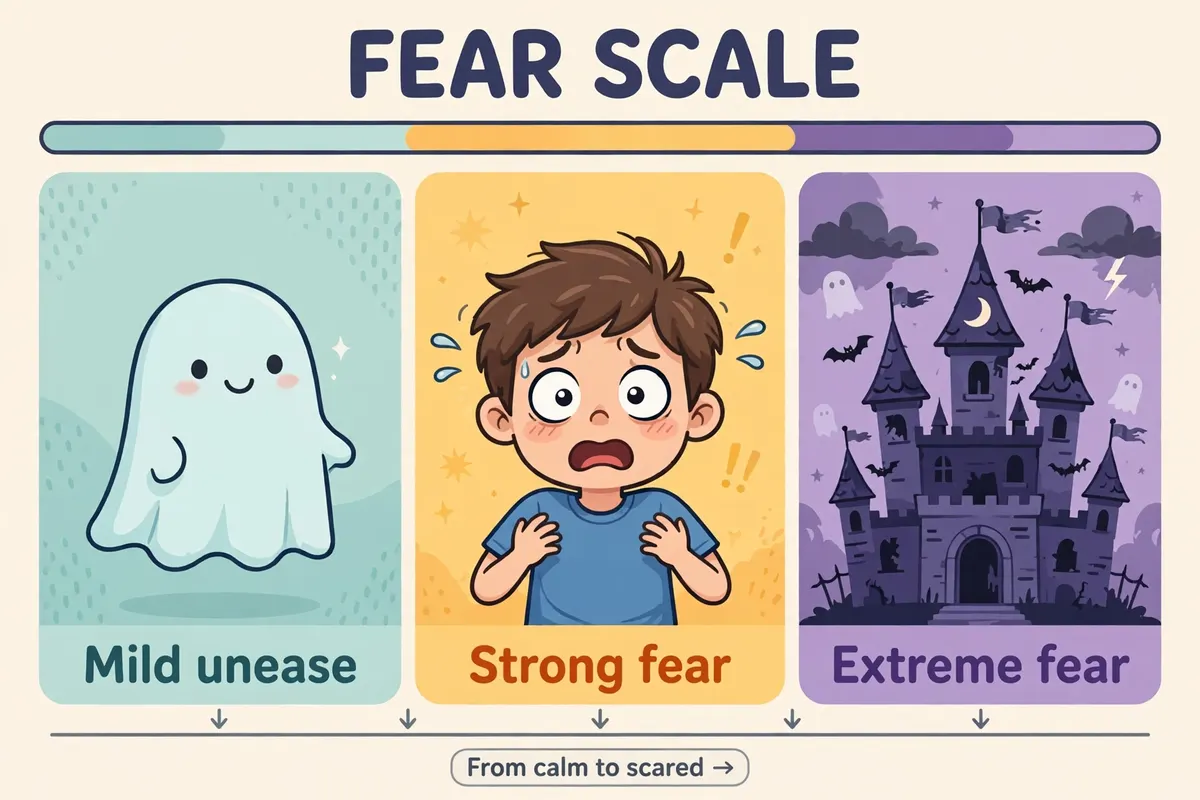
The intensity scale helps you choose the right word. Mild unease includes creepy, eerie, spooky, and unsettling. Strong fear includes frightening, alarming, disturbing, and shocking. Extreme fear includes terrifying, horrifying, petrifying, nightmarish, and blood-curdling.
21 Best Scary Synonyms at a Glance
This table shows all 21 scary synonyms at a glance. Seven are for strongest fear, seven are for everyday fright, and seven are for creepy and uneasy feelings. The words move from mild unease to strong fear to extreme fear.
| Synonym | Tone | Best for |
|---|---|---|
| Terrifying | Neutral, strong | Stories, news, serious events |
| Horrifying | Serious, grave | News, reports, serious events |
| Petrifying | Literary, strong | Stories, horror writing, dramatic descriptions |
| Nightmarish | Serious, evocative | Stories, long ordeals, descriptions of chaos |
| Harrowing | Formal, serious | Reports, essays, serious writing |
| Blood-curdling | Dramatic, vivid | Horror stories, screams and sounds |
| Spine-chilling | Dramatic, vivid | Stories, films, suspense |
| Frightening | Neutral, formal | Everyday talk, essays, reports |
| Alarming | Formal, serious | News, reports, health and safety |
| Disturbing | Formal, serious | News, reports, films, footage |
| Unsettling | Neutral | Stories, atmosphere, quiet moments |
| Startling | Neutral | Sudden noises, surprises, jumps |
| Shocking | Neutral, strong | News, revelations, events |
| Daunting | Formal, neutral | Tasks, challenges, interviews, prospects |
| Creepy | Casual, informal | Everyday talk, places, people, behavior |
| Spooky | Casual, playful | Halloween, ghost stories, haunted places |
| Eerie | Literary, neutral | Atmosphere, silence, empty places |
| Chilling | Neutral, literary | Stories, voices, evidence, discoveries |
| Menacing | Serious, threatening | People, animals, looks, weather |
| Sinister | Formal, literary | Stories, films, grins, plans |
| Ominous | Formal, literary | Clouds, warnings, silences, news |
Strongest Synonyms for Scary
1. Terrifying
Tone: Neutral, strong · Uses: Stories, news, serious events
Meaning: Extremely frightening; causes intense fear.
Explanation: Terrifying is the strongest everyday word for fear. It describes something that makes you feel very afraid, often because the danger feels real and close. Use it when the fear is serious, not small or minor.
Trap: Do not use terrifying for small fears. Saying “a terrifying deadline” cheapens the word and makes it sound less serious.
Examples:
- The family had a terrifying experience when the flood water rushed into their home.
- Walking across the icy bridge in the storm was terrifying.
2. Horrifying
Tone: Serious, grave · Uses: News, reports, serious events
Meaning: Extremely shocking, frightening and disturbing.
Explanation: Horrifying adds shock and disgust to fear. It describes events that are hard to see or hear about, like serious accidents or crimes. The word is stronger and darker than terrifying.
Examples:
- The horrifying news of the crash spread quickly through the town.
- Rescue workers saw horrifying damage after the earthquake.
3. Petrifying
Tone: Literary, strong · Uses: Stories, horror writing, dramatic descriptions
Meaning: So frightening it seems to freeze you.
Explanation: Petrifying comes from the image of turning to stone. It describes fear so strong that you cannot move or speak. The word sounds literary and dramatic, so it fits stories better than everyday talk.
Trap: Do not use petrifying in everyday talk or formal reports. It can sound too dramatic for simple situations.
Examples:
- The petrifying silence in the old house made her stop at the door.
- He stood still, petrifying fear holding him in place.
4. Nightmarish
Tone: Serious, evocative · Uses: Stories, long ordeals, descriptions of chaos
Meaning: Like a bad dream; surreal, lingering dread.
Explanation: Nightmarish compares something to a nightmare. It describes fear that lasts for a long time and feels unreal. The word works well for long ordeals, not for a single sudden scare.
Examples:
- The nightmarish traffic jam lasted for hours in the heat.
- She described the nightmarish night in the hospital after the accident.
5. Harrowing
Tone: Formal, serious · Uses: Reports, essays, serious writing
Meaning: Deeply distressing; hard to live through.
Explanation: Harrowing describes an ordeal that is painful and difficult to endure. It is a formal word, so it fits essays and reports. It does not describe a quick jump scare.
Examples:
- The survivors shared their harrowing stories with the reporters.
- The harrowing journey through the desert took three days.
6. Blood-curdling
Tone: Dramatic, vivid · Uses: Horror stories, screams and sounds
Meaning: So frightening it feels like your blood turns cold.
Explanation: Blood-curdling is a vivid, dramatic word. It works best for sounds, like a scream or a howl in the night. The image is strong, so it can sound silly in a formal report.
Examples:
- A blood-curdling scream echoed through the empty hallway.
- The horror film opened with a blood-curdling howl.
7. Spine-chilling
Tone: Dramatic, vivid · Uses: Stories, films, suspense
Meaning: Sends a shiver down your spine.
Explanation: Spine-chilling describes fear that makes you shiver. It works well for suspenseful stories, films, and moments that feel eerie. The phrase can also suggest excitement or thrills, so make sure the context shows fear, not just fun.
Examples:
- The spine-chilling music made the scene feel even darker.
- Her spine-chilling story kept everyone quiet around the campfire.
Everyday Synonyms for Scary
8. Frightening
Tone: Neutral, formal · Uses: Everyday talk, essays, reports
Meaning: Causes fear; makes you feel afraid.
Explanation: Frightening is the safe formal swap for scary. It means almost the same thing, but it sounds a little more serious. Use it in essays, reports, or everyday talk when you want a clear, simple word for fear.
Examples:
- The frightening storm kept the children awake all night.
- It was frightening to drive through the thick fog.
9. Alarming
Tone: Formal, serious · Uses: News, reports, health and safety
Meaning: Causes worry because something seems dangerous or wrong.
Explanation: Alarming is more about worry than direct fright. It works as a warning word. You might see it in news reports, safety notices, or health alerts. It is not a good word for a jump scare.
Examples:
- The alarming rise in cases worried health officials.
- The doctor gave an alarming report about the patient’s condition.
10. Disturbing
Tone: Formal, serious · Uses: News, reports, films, footage
Meaning: Upsets you deeply; hard to forget.
Explanation: Disturbing describes something that upsets you and stays in your mind. It can mean upsetting without fear, like disturbing news about a crime. Keep the fear sense clear by adding context.
Examples:
- The disturbing footage showed the damage after the fire.
- She found the disturbing letter hard to forget.
11. Unsettling
Tone: Neutral · Uses: Stories, atmosphere, quiet moments
Meaning: Makes you feel uneasy, though nothing has happened yet.
Explanation: Unsettling describes a mild, quiet unease. Nothing bad has happened yet, but something feels wrong. Do not use it for real danger or serious threats. It is too soft for those moments.
Examples:
- The empty playground had an unsettling silence.
- His calm reply was unsettling in the quiet room.
12. Startling
Tone: Neutral · Uses: Sudden noises, surprises, jumps
Meaning: Sudden fright; a shock that comes out of nowhere.
Explanation: Startling is only for sudden fear. It describes a noise, a movement, or a surprise that catches you off guard. Do not use it for a long period of time. A startling noise is correct, but a startling week is not.
Examples:
- A startling bang made everyone jump in the kitchen.
- The startling sound of the alarm woke the whole house.
13. Shocking
Tone: Neutral, strong · Uses: News, revelations, events
Meaning: So surprising and frightening it stuns you.
Explanation: Shocking can mean surprising without fear. The context must show that fear is present. In news reports, it often describes events that are both surprising and frightening.
Examples:
- The shocking footage showed the car sliding off the road.
- It was shocking to learn how fast the fire had spread.
14. Daunting
Tone: Formal, neutral · Uses: Tasks, challenges, interviews, prospects
Meaning: Frightening because it looks big, hard or impossible.
Explanation: Daunting describes fear of a task, not fear of a monster. It fits challenges like a big exam, a new job, or a long journey. The task feels too large or too hard to finish.
Trap: Daunting is for tasks, not monsters. Say “a daunting task,” not “a daunting ghost.”
Examples:
- Preparing for the final exam felt daunting.
- The thought of moving to a new country was daunting.
Creepy and Uneasy Synonyms for Scary
15. Creepy
Tone: Casual, informal · Uses: Everyday talk, places, people, behavior
Meaning: Strange and unpleasant in a way that makes your skin crawl.
Explanation: Creepy describes unease, not danger. It is a casual, informal word. Creepy lingers, while scary strikes quickly. Use it for places, people, or behavior that feels strange and wrong.
Examples:
- The creepy old house at the end of the street gave me chills.
- His creepy smile made everyone feel uneasy.
16. Spooky
Tone: Casual, playful · Uses: Halloween, ghost stories, haunted places
Meaning: Strange and frightening, often ghostly or mysterious.
Explanation: Spooky is lighter and often fun. It has a ghostly feel, but it does not always mean real danger. A spooky story can be enjoyable, not truly frightening. Use it for Halloween, ghost stories, and haunted places.
Examples:
- The spooky Halloween decorations covered the front yard.
- We told spooky stories by the fire on a cold night.
17. Eerie
Tone: Literary, neutral · Uses: Atmosphere, silence, empty places
Meaning: Strange, mysterious and frightening in an unnatural way.
Explanation: Eerie is best for places and atmosphere. It describes a silence, a fog, or an empty room that feels unnatural. Do not use it for people. The word works well in stories and descriptions of quiet, strange places.
Examples:
- An eerie silence filled the empty school.
- The thick fog gave the old bridge an eerie appearance.
18. Chilling
Tone: Neutral, literary · Uses: Stories, voices, evidence, discoveries
Meaning: Frightening in a way that sends a shiver through you.
Explanation: Chilling is often about words or details, not only about monsters. A chilling confession or a chilling discovery can make you feel cold with fear. The word works well in stories and news reports.
Examples:
- The witness gave a chilling account of what she had seen.
- A chilling message was found on the wall of the old house.
19. Menacing
Tone: Serious, threatening · Uses: People, animals, looks, weather
Meaning: Makes you feel someone or something might hurt you.
Explanation: Menacing is a threat word. It needs a hint of danger, not just strangeness. A menacing look, a growling dog, or dark storm clouds can all feel threatening. Use it when harm seems possible.
Examples:
- The dog gave a menacing growl as we walked past the gate.
- Dark clouds gathered in a menacing shape over the hills.
20. Sinister
Tone: Formal, literary · Uses: Stories, films, grins, plans
Meaning: Suggests hidden evil or harm beneath an ordinary surface.
Explanation: Sinister is stronger than creepy. It suggests that something is evil, dangerous, or hiding a harmful purpose. A sinister grin or a sinister plan feels wrong in a deep, serious way.
Examples:
- The villain’s sinister smile made the audience nervous.
- There was something sinister about the quiet man’s plan.
21. Ominous
Tone: Formal, literary · Uses: Clouds, warnings, silences, news
Meaning: Gives a feeling that something bad is about to happen.
Explanation: Ominous describes anticipation, not the bad thing itself. Ominous clouds suggest a storm is coming. Ominous news suggests trouble ahead. The bad event has not happened yet.
Examples:
- Ominous clouds gathered before the storm.
- The sudden silence felt ominous before the announcement.
Scary vs Frightening vs Terrifying vs Creepy
This table compares four common fear words. Each one has a different core idea, strength, and best use.
| Word | Core idea | Strength | Best for | Example |
|---|---|---|---|---|
| Scary | The general, everyday word for something that makes you afraid | Medium, general | Everyday talk, films, stories | That horror movie was really scary. |
| Frightening | The same fear, a little more serious and formal | Medium, formal | Essays, reports, experiences | The storm was frightening. |
| Terrifying | Extreme fear; the strongest everyday word | Very strong | Serious danger, disasters, nightmares | It was terrifying to drive through the snowstorm. |
| Creepy | Strange unease; something feels wrong, not directly dangerous | Mild, uneasy | Places, people, behavior, noises | That old house looks creepy. |
If it is general fear, use scary; if it is formal, use frightening; if it is extreme, use terrifying; if it is strange unease without clear danger, use creepy.
Scary vs Spooky
Spooky is ghostly and often playful, while scary is general fear.
Scary vs Eerie
Eerie is about atmosphere and places, while scary is about anything.
Scary vs Menacing
Menacing adds a threat of harm, while scary does not.
Other Ways to Say “That Was Scary”
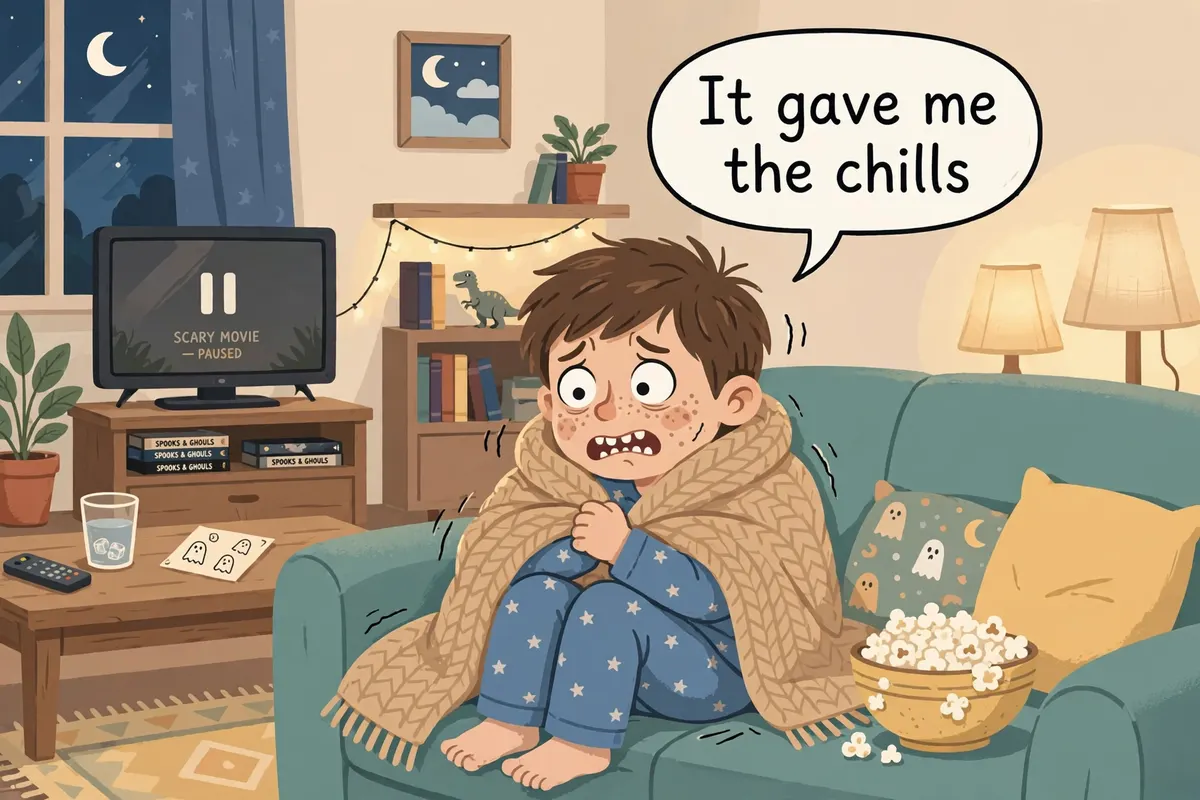
These phrases describe a reaction, not the thing itself. Most of them are casual and expressive. Use them in conversation when you want to sound natural.
1. It gave me the chills
Tone: Casual, expressive.
The physical shiver says it all. You can use this phrase after a scary film or a sudden fright.
2. That freaked me out
Tone: Casual, emphatic.
This phrase is strong and direct. It works when something startles or disturbs you.
3. It spooked me
Tone: Casual, playful.
This phrase is light and playful. It fits a quick surprise rather than lasting fear.
4. It sent a shiver down my spine
Tone: Vivid.
This phrase builds on the spine-chilling image. It describes a strong physical reaction to fear.
5. It gave me the creeps
Tone: Casual.
This phrase describes a slow, uneasy feeling. It works for places, people, or strange behavior.
6. It made my flesh creep
Tone: Literary.
This phrase is more formal and literary. It describes a deep, physical sense of unease.
Antonyms of Scary
Scary has NO single direct opposite word. Its opposites are words that remove fear or give safety. Here are seven words that reduce fear or help you feel calm and safe.
| Word | Meaning |
|---|---|
| Reassuring | Removes fear by making you feel safe. |
| Comforting | Makes you feel calm and safe. |
| Soothing | Calms fear away. |
| Calming | Makes a frightening situation feel safe. |
| Safe | Free from danger. |
| Pleasant | Enjoyable rather than frightening. |
| Encouraging | Gives courage instead of fear. |
FAQs
Frequently Asked Questions
1. What is another word for scary?
Frightening is a good everyday replacement for scary, especially in formal writing. Use terrifying for extreme fear, creepy for strange unease, and eerie when a place or atmosphere feels unnatural or unsettling.
2. What is the scariest word for “scary”?
Petrifying, blood-curdling, and nightmarish describe very intense fear. Petrifying suggests being frozen with fright, blood-curdling suits screams, and nightmarish describes an experience that feels like a terrible dream or a frightening ordeal that seems unreal.
3. What is a formal word for “scary”?
Frightening is a clear formal choice. Alarming suits possible danger, disturbing describes deep upset, and harrowing fits painful experiences. In literary writing, macabre can describe something grim or connected with death.
4. What is the difference between “scary” and “creepy”?
Scary describes something that causes fear, while creepy suggests strange unease or a feeling that something is wrong. Spiders may seem creepy, but a serious car crash is scary. Creepy often lingers; scary can strike suddenly.
5. What is the opposite of “scary”?
Scary has no single direct opposite. Reassuring, comforting, and soothing can describe things that reduce fear. Safe describes freedom from danger, while pleasant describes something enjoyable rather than frightening or upsetting.
6. What is the difference between scary and scared?
Scary describes something that causes fear, as in “a scary movie.” Scared describes someone who feels fear, as in “a scared child.” Say “I am scared of spiders,” not “I am scary of spiders.”