
Curiosity Synonyms: 34 Words for Essays and Everyday Use
Curiosity can mean a strong desire to learn, but it can also describe an unusual object. The best synonym depends on which meaning you want and the tone your sentence needs.
Quick Answer
- Formal writing: Inquisitiveness and inquiry.
- Everyday writing: Interest and wonder.
- Strong desire to learn: Eagerness and fascination.
- Unwelcome interest in private matters: Nosiness and prying. Both are negative.
- An unusual object: Curio, rarity and oddity.
- Remember that curiosity has two meanings: the feeling of wanting to know and an unusual thing. Don’t mix their synonyms.
What Does Curiosity Mean?
Curiosity is a noun with two main meanings.
The first meaning is a strong desire to know, understand or learn about something. A child asking questions about space shows curiosity. A student researching an unfamiliar subject also shows curiosity.
Oxford describes this feeling as a strong desire to know about something. Cambridge describes it as an eager wish to know or learn. Merriam-Webster also connects curiosity with inquisitive interest and the act of asking questions.
The second meaning is an unusual and interesting thing. For example, an old coin with a rare design might be called a curiosity. A museum can contain many historical curiosities.
Merriam-Webster uses curio for an unusual object. Collins also includes collector’s items and trinkets in this sense.
The two meanings need separate synonyms:
Feeling: Inquisitiveness, interest, wonder, eagerness and nosiness describe different forms of wanting to know.
Object: Rarity, curio, oddity, marvel and novelty describe unusual things.
For example, you can say, “Her inquisitiveness led her to study astronomy.” You cannot say, “Her curio led her to study astronomy” to express that feeling.
Curiosity, Curious and Curiously
These words belong to the same word family, but they have different jobs.
Curiosity: A noun that names the desire to know or an unusual thing.
Curious: An adjective that describes someone who wants to know something.
Curiously: An adverb that describes an action done with curiosity or in a strange way.
Curiosities: The plural form used for unusual objects.
The correct spelling is “curiosity.” “Curiousity” is incorrect. Remember the mnemonic: “Curiosity KILLS unnecessary letters.”
Sense 1, the feeling, is uncountable: “curiosity.” Sense 2, unusual objects, is countable: “curiosities,” as in “The museum is full of historical curiosities.”
The adjective curious has another meaning: strange or unusual. For example, “That is a curious fact” means the fact is strange or unexpected.
Where Does the Word Curiosity Come From?
Curiosity comes from Middle English and Old French, with roots in the Latin word curiositas. That Latin word comes from curiosus, meaning careful, and cura, meaning care.
The history connects curiosity with care and attention. Today, the word usually refers to wanting to know or to something unusual that attracts attention.
When to Use Curiosity Synonyms
Choose a synonym based on your audience, purpose and intended meaning. A word that works in an academic essay may sound stiff in a casual conversation.
For essays and school writing
Use inquisitiveness when describing a steady desire to learn. Inquiry works when discussing research or a process of asking questions. Enquiry is the British spelling of inquiry.
For everyday writing
Use interest when someone enjoys a subject or wants to learn more. Wonder suits a feeling of amazement, while eagerness shows enthusiasm for finding something out.
For stories and descriptions
Use wonderment for amazement, fascination for intense attention and musing for quiet thought. These words help show different reactions.
For unusual objects and collections
Use curio, rarity, oddity or trinket when describing an unusual item. These words belong to the object sense, not the feeling.
Sometimes, the word curiosity is already the best choice. Keep it when you mean a simple, sincere desire to understand something.
Benefits of Using Curiosity Synonyms
The right synonym makes your writing more precise. It also helps readers understand what kind of curiosity you mean.
1. Avoid repeating the same word
Repeating curiosity in every sentence can make an essay sound dull. Inquisitiveness, wonder and interest offer different ways to express the idea.
2. Match your writing style
Inquisitiveness suits formal reports and essays. Interest feels natural in everyday writing. Wonderment works better in literary descriptions.
3. Explain the type of curiosity
Not all curiosity looks the same. A student may show inquisitiveness, a child may feel wonder, and someone asking private questions may show nosiness.
4. Keep the tone accurate
Positive words describe a desire to learn. Negative words describe unwanted attention or interference. Choosing carefully prevents an unintended insult.
5. Keep feelings separate from objects
Curiosity can name a feeling or an unusual thing. A curio is an object, while inquisitiveness is a feeling. Using the correct word keeps your meaning clear.
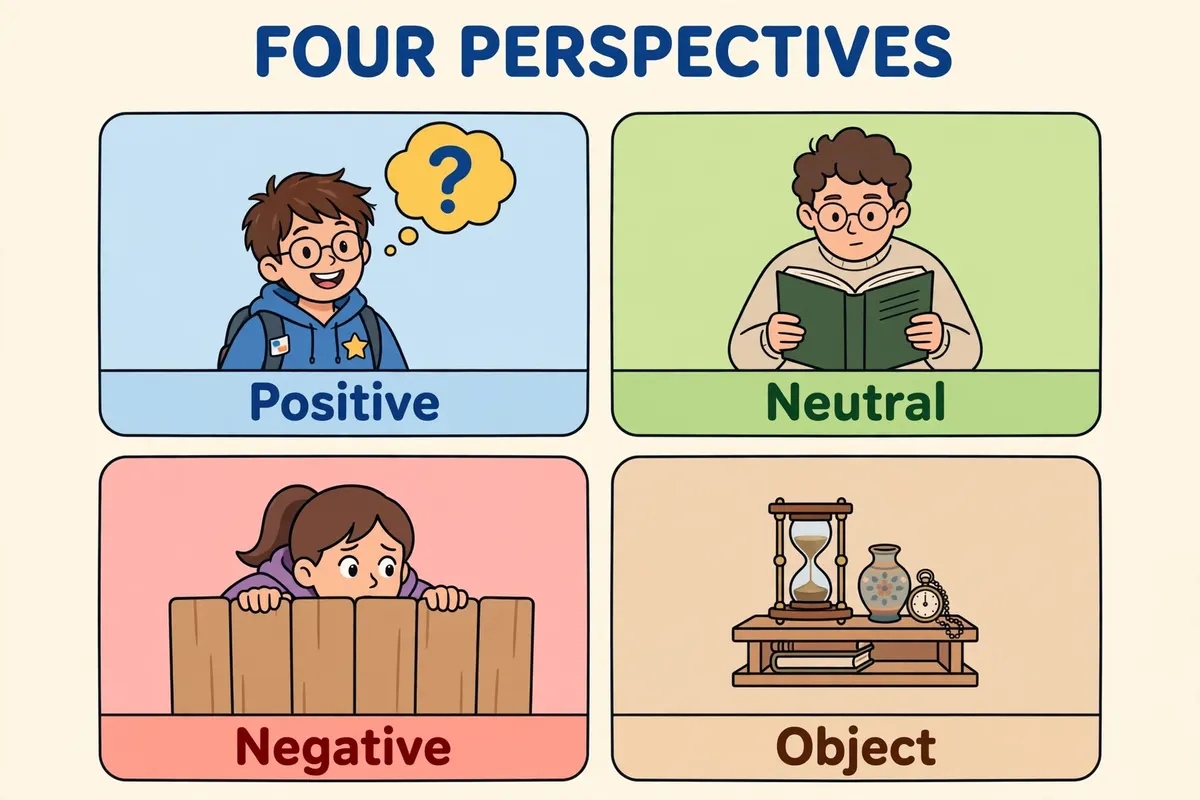
34 Best Curiosity Synonyms at a Glance
The following table covers all 34 words in four groups. The first 10 describe the desire to know. The next seven offer everyday alternatives. The following seven are negative warnings, not praise. The final 10 describe unusual objects, not the feeling.
| Synonym | Tone | Best for |
|---|---|---|
| Inquisitiveness | Positive, formal | Essays, reports, formal writing |
| Inquiry | Formal, academic | Essays, reports, research writing |
| Questioning | Neutral, formal | Essays, reports, interviews |
| Interest | Positive, neutral | Everyday writing, essays, all settings |
| Wonder | Positive, literary | Stories, essays, creative writing |
| Wonderment | Positive, literary | Stories, literary writing, essays |
| Eagerness | Positive, everyday | Everyday writing, school essays, stories |
| Fascination | Positive, strong | Stories, essays, descriptions |
| Attentiveness | Positive, formal | Reports, essays, formal writing |
| Curiousness | Neutral, plain | Everyday writing, simple definitions |
| Inquiring mind | Positive, formal | Essays, school writing, profiles |
| Desire to know | Neutral, plain | Everyday writing, plain definitions |
| Enquiry | Formal, British | British English essays, formal writing |
| Concern | Neutral | Everyday writing, reports |
| Regard | Neutral, formal | Formal writing, reports |
| Interrogation | Formal, serious | Legal, police, formal reports |
| Musing | Neutral, literary | Stories, essays, reflective writing |
| Nosiness | Negative, informal | Everyday talk, stories, warnings |
| Prying | Negative | Stories, everyday writing, warnings |
| Meddlesomeness | Negative, formal | Formal writing, essays, stories |
| Intrusiveness | Negative, formal | Formal writing, reports, essays |
| Officiousness | Negative, formal | Formal writing, essays |
| Eavesdropping | Negative | Stories, everyday writing |
| Rubbernecking | Negative, informal | Everyday talk, informal writing |
| Rarity | Neutral | Essays, descriptions, museum and shop writing |
| Curio | Neutral | Shops, museums, collections, stories |
| Oddity | Neutral | Everyday writing, descriptions |
| Marvel | Positive | Stories, essays, descriptions |
| Novelty | Neutral | Everyday writing, shops, descriptions |
| Phenomenon | Neutral, formal | Essays, science writing, reports |
| Spectacle | Neutral | Descriptions, stories, essays |
| Sight | Neutral, everyday | Travel writing, everyday descriptions |
| Collector’s item | Neutral | Shops, collections, descriptions |
| Trinket | Neutral, casual | Everyday writing, shops, stories |
Synonyms for the Desire to Know
These 10 words describe the feeling of wanting to learn, ask questions or understand something. They don’t describe unusual objects.
1. Inquisitiveness
Tone: Positive, formal · Uses: Essays, reports, formal writing
Meaning: A strong, steady desire to learn and ask questions.
Explanation: Inquisitiveness is one of the best formal alternatives to curiosity. It suggests a thoughtful person who keeps asking questions and looking for answers. Use it for learning, not idle gossip, which is nosiness.
Examples:
- Her inquisitiveness helped her understand difficult scientific ideas.
- The teacher encouraged inquisitiveness during every class discussion.
2. Inquiry
Tone: Formal, academic · Uses: Essays, reports, research writing
Meaning: A search for information by asking questions.
Explanation: Inquiry describes the process of seeking information rather than just the feeling behind it. It works well in research, education and academic writing. Use it when the sentence focuses on asking or investigating.
Examples:
- His inquiry into ancient history uncovered several useful records.
- The research project began with an inquiry about ocean pollution.
3. Questioning
Tone: Neutral, formal · Uses: Essays, reports, interviews
Meaning: The act of asking questions to find things out.
Explanation: Questioning can describe a person’s effort to understand an unfamiliar subject. However, it can also suggest doubt, as in questioning someone’s motives. Make the learning meaning clear through the surrounding sentence.
Examples:
- Her questioning helped the group understand the experiment.
- Careful questioning revealed how the machine worked.
4. Interest
Tone: Positive, neutral · Uses: Everyday writing, essays, all settings
Meaning: Attention and a wish to know more about something.
Explanation: Interest is broader and calmer than curiosity. Someone can have an interest in music simply because they enjoy listening to it. Curiosity goes further by pushing that person to ask questions and fill a knowledge gap.
Examples:
- Her interest in marine life led her to visit the aquarium.
- His interest in history grew after reading about ancient Rome.
5. Wonder
Tone: Positive, literary · Uses: Stories, essays, creative writing
Meaning: Awe mixed with a wish to understand something strange or new.
Explanation: Wonder combines amazement with a desire to understand. It often appears in stories and descriptions of surprising experiences. It can also mean awe itself, so it doesn’t always suggest an active search for answers.
Examples:
- The child’s wonder about the stars filled the evening with questions.
- Her wonder at the ocean inspired her to learn about marine life.
6. Wonderment
Tone: Positive, literary · Uses: Stories, literary writing, essays
Meaning: A state of wonder; amazed interest.
Explanation: Wonderment describes a feeling of amazement mixed with interest. It’s more literary than wonder and may sound unusual in casual conversation. Choose it when a scene calls for a strong sense of amazement.
Examples:
- The children watched the magician with complete wonderment.
- His wonderment about the ancient ruins inspired a long discussion.
7. Eagerness
Tone: Positive, everyday · Uses: Everyday writing, school essays, stories
Meaning: Keen enthusiasm to discover or learn something.
Explanation: Eagerness shows that someone is excited to find something out. It needs a clear learning context because a person can also show eagerness for a job, trip or reward. Add the subject to make the meaning clear.
Examples:
- Her eagerness to understand the lesson impressed the teacher.
- The students showed eagerness when the science project began.
8. Fascination
Tone: Positive, strong · Uses: Stories, essays, descriptions
Meaning: Intense, spellbound interest that holds your attention.
Explanation: Fascination is stronger than ordinary curiosity. It describes an interest that holds someone’s attention for a long time. Fascination keeps you absorbed, while curiosity pushes you to ask questions and explore.
Examples:
- His fascination with astronomy began when he saw Saturn through a telescope.
- Her fascination with old maps led her to collect historical documents.
9. Attentiveness
Tone: Positive, formal · Uses: Reports, essays, formal writing
Meaning: Close, careful attention to something.
Explanation: Attentiveness describes the watching and listening side of curiosity. It doesn’t always include a desire to ask questions or discover answers. Use it when careful attention matters more than active investigation.
Examples:
- Her attentiveness during the lecture helped her understand the topic.
- The scientist’s attentiveness to small details improved the experiment.
10. Curiousness
Tone: Neutral, plain · Uses: Everyday writing, simple definitions
Meaning: The state of wanting to know.
Explanation: Curiousness is a correct but less common word for the desire to know. It sounds plain and can feel less natural than curiosity or inquisitiveness. Use it when a simple explanation is enough.
Examples:
- His curiousness about the locked room made him ask several questions.
- The child’s curiousness about insects led to a visit to the garden.
Everyday Synonyms for Curiosity
These seven choices include phrases and words that appear in ordinary conversation and writing. Some need extra context to carry the intended meaning.
11. Inquiring Mind
Tone: Positive, formal · Uses: Essays, school writing, profiles
Meaning: A mind that keeps asking questions and exploring.
Explanation: Inquiring mind is a phrase for someone who enjoys learning and investigating ideas. It works well in school essays, biographies and personal profiles. It describes a person’s approach to learning rather than one brief question.
Examples:
- Her inquiring mind led her to explore several scientific subjects.
- An inquiring mind can turn an ordinary walk into a learning experience.
12. Desire to Know
Tone: Neutral, plain · Uses: Everyday writing, plain definitions
Meaning: The wish to find something out.
Explanation: Desire to know is a direct phrase that explains curiosity without using a formal vocabulary word. It works in simple definitions and everyday writing. Use it when clarity matters more than style.
Examples:
- His desire to know the truth led him to ask more questions.
- A strong desire to know can inspire someone to study a difficult subject.
13. Enquiry
Tone: Formal, British · Uses: British English essays, formal writing
Meaning: A search for information; the British spelling of “inquiry”.
Explanation: Enquiry is the British spelling of inquiry. Both words refer to asking for information or investigating a subject. In US English, write inquiry. Don’t mix the two spellings in the same article.
Examples:
- Her enquiry about the museum’s history received a detailed response.
- The student’s enquiry led to a meeting with the research team.
14. Concern
Tone: Neutral · Uses: Everyday writing, reports
Meaning: Interest in finding out about something.
Explanation: Concern can describe an interest in a subject, but its more common meaning is worry. Readers may misunderstand it without context. Make the learning sense clear by naming the subject or information involved.
Examples:
- His concern about the missing records led him to investigate.
- The committee’s concern about the results prompted further questions.
15. Regard
Tone: Neutral, formal · Uses: Formal writing, reports
Meaning: Attention or interest directed at something.
Explanation: Regard is very general and too weak to carry the meaning of curiosity on its own. Use it with a clear object, such as regard for the details. Without that context, readers may not understand your intended meaning.
Examples:
- Her regard for the small details helped the team find an error.
- The report showed his regard for the history of the building.
16. Interrogation
Tone: Formal, serious · Uses: Legal, police, formal reports
Meaning: Formal, close questioning.
Explanation: Interrogation is not friendly curiosity. It usually means official, organized and often hostile questioning, especially by police or investigators. Use it for serious questioning, not an ordinary conversation between friends.
Examples:
- The suspect faced a lengthy interrogation at the police station.
- The report described the interrogation as tense and demanding.
17. Musing
Tone: Neutral, literary · Uses: Stories, essays, reflective writing
Meaning: Thoughtful wondering about something.
Explanation: Musing describes quiet, reflective thought. It can express someone thinking about an idea without taking action to investigate it. Curiosity usually leads to questions or exploration, while musing may remain private.
Examples:
- Her musing about the past filled the pages of her journal.
- His musing on human behavior inspired a thoughtful essay.
Negative Synonyms for Curiosity
Curiosity isn’t always welcome. The following seven words describe unwanted interest, interference or attention toward other people’s private matters.
These are negative terms. They should never be used as compliments.
18. Nosiness
Tone: Negative, informal · Uses: Everyday talk, stories, warnings
Meaning: Too much interest in other people’s private business.
Explanation: Nosiness is the negative twin of curiosity. Merriam-Webster includes nosiness in its definition of curiosity when someone wants to know about matters that aren’t their business. Never use it as praise.
Examples:
- Her nosiness about the neighbors’ personal lives annoyed everyone.
- His nosiness made the family uncomfortable during dinner.
19. Prying
Tone: Negative · Uses: Stories, everyday writing, warnings
Meaning: Trying to uncover private details.
Explanation: Prying describes an unwelcome attempt to discover information someone wants to keep private. It often appears with words such as questions, eyes or behavior. A prying question can make another person feel uncomfortable.
Examples:
- His prying questions made the guest avoid the conversation.
- She disliked her coworker’s prying into her family matters.
20. Meddlesomeness
Tone: Negative, formal · Uses: Formal writing, essays, stories
Meaning: Interfering in other people’s affairs without being welcome.
Explanation: Meddlesomeness goes beyond wanting information. It describes getting involved in matters that belong to someone else. The problem is unwanted interference, not simply asking a question.
Examples:
- His meddlesomeness caused unnecessary tension between the neighbors.
- The family complained about her meddlesomeness in their private decisions.
21. Intrusiveness
Tone: Negative, formal · Uses: Formal writing, reports, essays
Meaning: Pushing into other people’s private matters.
Explanation: Intrusiveness is a formal word for unwelcome curiosity that crosses personal boundaries. It can describe questions, behavior or actions that invade someone’s privacy. Use it when the lack of respect for boundaries matters.
Examples:
- The reporter’s intrusiveness upset the family during a difficult time.
- Her intrusiveness made the private meeting uncomfortable.
22. Officiousness
Tone: Negative, formal · Uses: Formal writing, essays
Meaning: Offering unwanted help or interest in other people’s business.
Explanation: Officiousness describes someone who interferes while acting as if they know what others need. The word is rare and formal, so some readers may need an explanation. It suggests unwanted involvement rather than helpful concern.
Examples:
- His officiousness frustrated the staff during the inspection.
- The manager’s officiousness turned a simple request into an argument.
23. Eavesdropping
Tone: Negative · Uses: Stories, everyday writing
Meaning: Listening in secret to other people’s conversations.
Explanation: Eavesdropping is a specific act, not a general feeling. It means secretly listening to a conversation without permission. Use it only when listening is the main action behind the unwanted curiosity.
Examples:
- Her eavesdropping on the phone call upset her sister.
- The child’s eavesdropping revealed a surprise birthday plan.
24. Rubbernecking
Tone: Negative, informal · Uses: Everyday talk, informal writing
Meaning: Staring at something, usually an accident, out of curiosity.
Explanation: Rubbernecking describes turning to stare at an unusual or disturbing scene, often a road accident. It’s very specific and informal. It doesn’t work as a general replacement for curiosity.
Examples:
- The driver’s rubbernecking slowed traffic near the accident.
- Police asked the crowd to stop rubbernecking and clear the road.
Synonyms for an Unusual Thing
The next 10 words describe the second meaning of curiosity: an unusual and interesting object or thing. They do not describe the feeling of wanting to know.
You may also encounter object-related terms such as knick-knack, objet d’art and bibelot. Other dictionary terms include exotic, prodigy, anomaly, oddment, virtu and rara avis. These aren’t part of our numbered list.
One warning: freak appears in some thesauruses for an unusual thing, but calling a person a freak can be offensive. Don’t use it as a casual description of someone.
25. Rarity
Tone: Neutral · Uses: Essays, descriptions, museum and shop writing
Meaning: Something strange or unusual, rarely seen.
Explanation: Rarity describes an unusual object that people don’t encounter often. This is the object sense of curiosity, not the feeling of wanting to know. It works well when discussing rare finds, antiques or museum collections.
Examples:
- The museum displayed a rarity from the ancient Roman period.
- This handmade clock is a rarity among modern household objects.
26. Curio
Tone: Neutral · Uses: Shops, museums, collections, stories
Meaning: A small, unusual object valued for its oddness.
Explanation: Curio is a direct object-related word connected with curiosity. It describes a small unusual item kept because people find it interesting. This is an object, not a feeling or a desire to learn.
Examples:
- The antique shop displayed a curio from the Victorian era.
- She bought a wooden curio during her visit to the museum.
27. Oddity
Tone: Neutral · Uses: Everyday writing, descriptions
Meaning: Something odd or strange.
Explanation: Oddity describes an unusual object that stands out from ordinary things. It can also describe a person, so keep the object meaning clear. In this article, it refers to the unusual-thing sense of curiosity.
Examples:
- The museum’s newest oddity was a clock shaped like a bird.
- He found an unusual oddity among the old family belongings.
28. Marvel
Tone: Positive · Uses: Stories, essays, descriptions
Meaning: Something wonderful that causes amazement.
Explanation: Marvel describes an unusual thing that people admire or find amazing. Unlike a plain oddity, it carries a positive sense of awe. It belongs to the object meaning of curiosity, not the feeling.
Examples:
- The ancient bridge was a marvel of early engineering.
- Visitors admired the glass sculpture as a remarkable marvel.
29. Novelty
Tone: Neutral · Uses: Everyday writing, shops, descriptions
Meaning: Something new and unusual that attracts interest.
Explanation: Novelty focuses on newness and unusual appeal. A novelty item may attract attention when people first see it, but it can lose that appeal once it becomes familiar. Here, it means an object, not a feeling.
Examples:
- The shop sold a novelty shaped like a miniature house.
- The glowing toy became a popular novelty at the fair.
30. Phenomenon
Tone: Neutral, formal · Uses: Essays, science writing, reports
Meaning: A remarkable thing or event.
Explanation: Phenomenon is a formal word for something remarkable that can be observed. It often refers to natural, scientific or social events rather than small objects. This is the unusual-thing sense, not the desire to know.
Examples:
- The northern lights are a natural phenomenon that attracts visitors.
- Scientists studied the unusual phenomenon for several months.
31. Spectacle
Tone: Neutral · Uses: Descriptions, stories, essays
Meaning: Something striking that people watch.
Explanation: Spectacle describes an unusual sight that attracts public attention. People usually watch a spectacle rather than keep it on a shelf. It belongs to the object or event sense of curiosity, not the feeling.
Examples:
- The colorful parade became a spectacle for the entire town.
- The waterfall was a spectacular spectacle during the spring floods.
32. Sight
Tone: Neutral, everyday · Uses: Travel writing, everyday descriptions
Meaning: Something worth seeing.
Explanation: Sight works when an unusual thing attracts attention because people can look at it. It’s common in phrases about places and travel, such as the sights of a city. It describes something seen, not the feeling of curiosity.
Examples:
- The ancient castle was an impressive sight from the road.
- The giant sculpture became a popular sight in the town square.
33. Collector’s Item
Tone: Neutral · Uses: Shops, collections, descriptions
Meaning: An object valued because it is rare or unusual.
Explanation: A collector’s item is an object that people want to own because of its rarity, history or special features. Its value often depends on collector demand. This phrase describes an object, not a desire to know.
Examples:
- The signed first edition became a valuable collector’s item.
- This vintage toy is now a collector’s item among enthusiasts.
34. Trinket
Tone: Neutral, casual · Uses: Everyday writing, shops, stories
Meaning: A small, pretty, not very valuable object.
Explanation: Trinket describes a small decorative object with little financial value. It may be unusual or attractive, but it isn’t usually a valuable rarity. Use it for inexpensive keepsakes rather than important museum pieces. This is the object sense of curiosity, not the feeling.
Examples:
- She kept a silver-colored trinket in her jewelry box.
- The market stall sold a small trinket shaped like a bird.
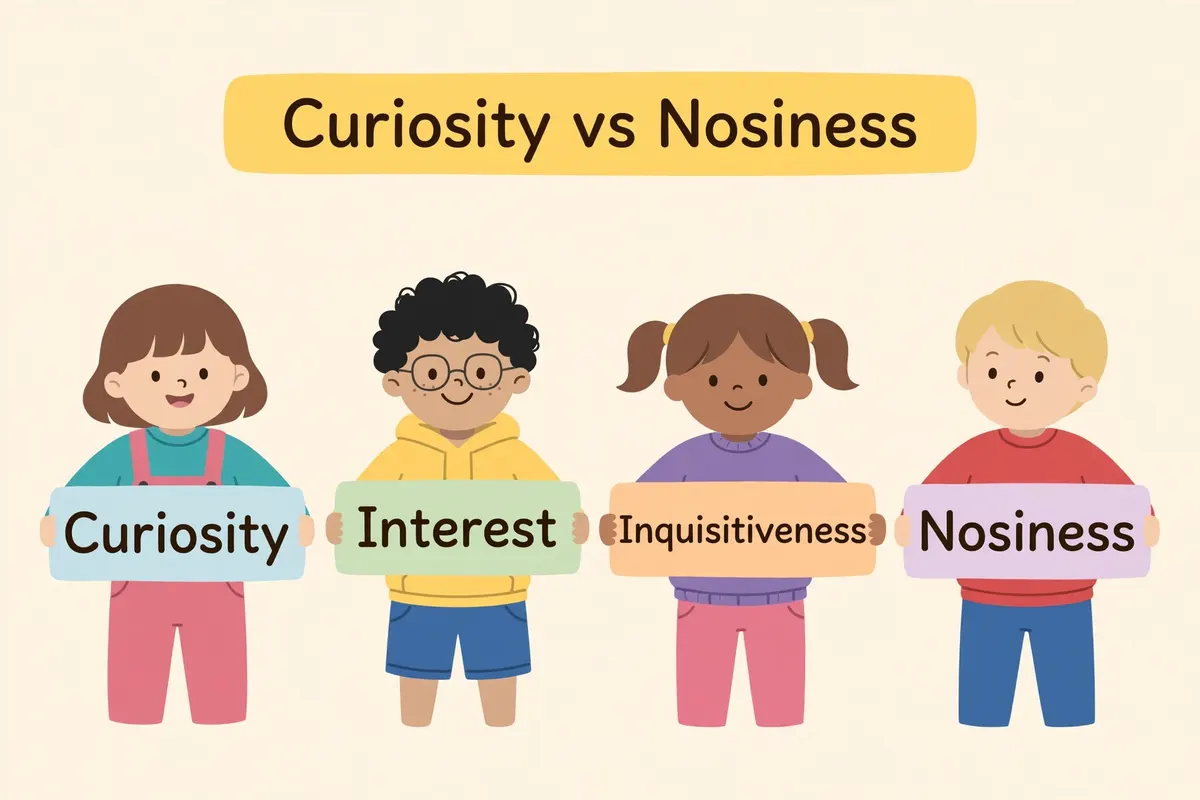
Curiosity vs Interest vs Inquisitiveness vs Nosiness
These four words are related, but they don’t carry the same meaning. Their differences become clearer when you compare their purpose and tone.
| Word | Core idea | Tone | Example |
|---|---|---|---|
| Curiosity | A strong desire to know or learn something | Positive or neutral, turns negative when it targets other people’s private business | Her curiosity about how planes fly led her to study engineering. |
| Interest | Attention and enjoyment directed at a subject | Positive, calm | His interest in biology inspired him to become a scientist. |
| Inquisitiveness | A steady, questioning desire to learn | Positive, formal | Her inquisitiveness led her to explore the ancient ruins. |
| Nosiness | Too much interest in other people’s private business | Negative, informal | Our neighbor’s nosiness about what we were doing last night was really offensive. |
if you enjoy a subject over time, say interest; if a question pushes you to find out now, say curiosity; if the questioning is steady and serious, say inquisitiveness; if it targets someone else’s private life, say nosiness, and mean it as a warning.
Curiosity vs interest
Curiosity is active information-seeking aimed at closing a knowledge gap. Interest is broader, calmer and often pleasurable over time. Research describes curiosity as a special case of interest focused on gaining knowledge.
Curiosity vs wonder
Wonder is awe at something strange or new. It can include a wish to understand, but it doesn’t always involve actively searching for an answer.
Curiosity vs fascination
Fascination holds your attention and can make you feel spellbound. Curiosity pushes you to ask questions, explore and find out more.
Other Ways to Say “I’m Curious”
Sometimes a full phrase sounds more natural than a single synonym. These six expressions help you show curiosity in conversations, essays and stories.
1. Out of Curiosity
Tone: Neutral, everyday
This phrase explains why someone asks or does something. It works as a polite opener when you want to know something without sounding demanding.
Example: I checked the old photograph out of curiosity.
2. A Thirst for Knowledge
Tone: Positive, formal
This phrase describes a strong and lasting desire to learn. It suits essays, personal statements and descriptions of people who enjoy gaining knowledge.
Example: Her thirst for knowledge encouraged her to study several languages.
3. An Inquiring Mind
Tone: Positive, formal
An inquiring mind belongs to someone who regularly asks questions and explores new ideas. It’s useful in school writing, biographies and personal profiles.
Example: An inquiring mind helped him become a successful researcher.
4. A Sense of Wonder
Tone: Positive, literary
A sense of wonder describes amazement mixed with interest in the world. It works well in stories and creative writing, especially when describing a new experience.
Example: The night sky gave the children a sense of wonder.
5. Burning With Curiosity
Tone: Positive, informal
This vivid phrase describes a strong desire to find something out. It suits conversations and storytelling when someone finds a question hard to ignore.
Example: She was burning with curiosity about the mysterious package.
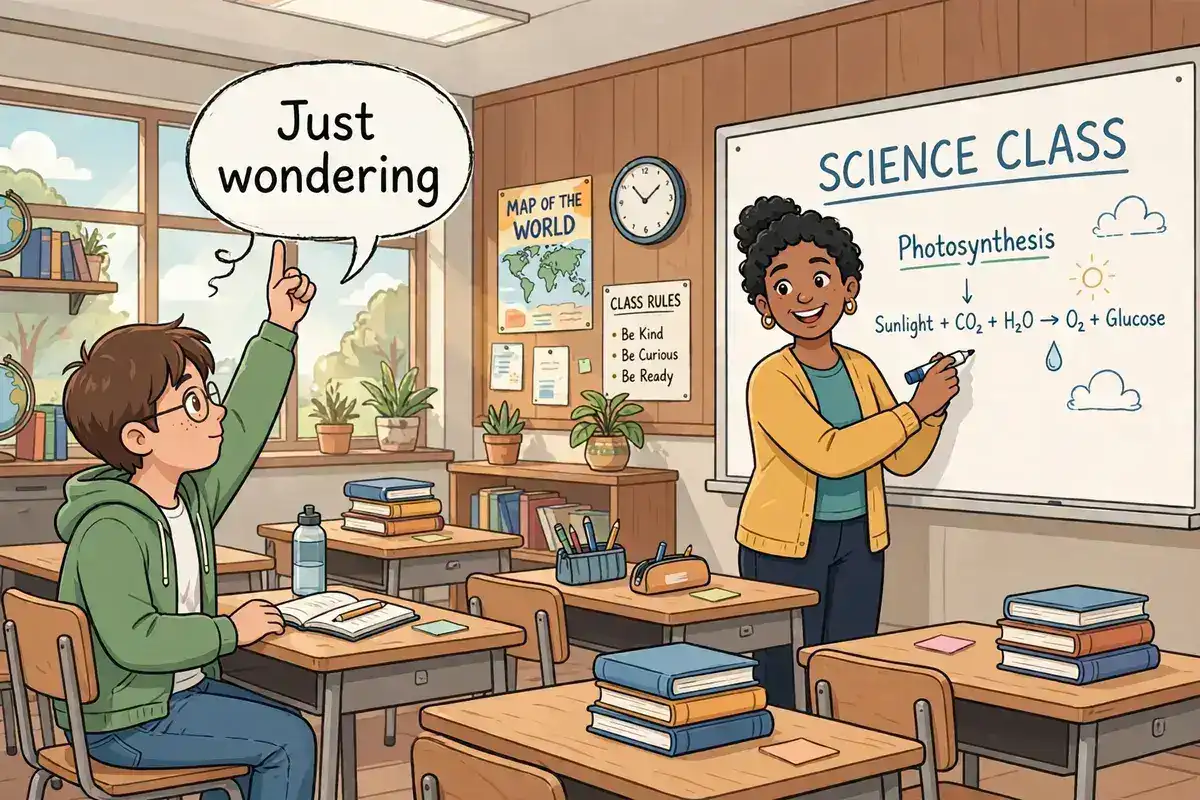
6. Just Wondering
Tone: Neutral, casual
Just wondering is a polite, relaxed way to introduce a question. It can soften a request and make a conversation feel less demanding.
Example: Just wondering, how did you learn to repair old computers?
Antonyms of Curiosity
Curiosity means wanting to know or understand something. Its opposites describe a lack of interest, attention or desire to find out.
1. Indifference
Indifference means not caring enough to ask questions or learn more. Someone who shows indifference may have no strong feelings about a subject.
2. Apathy
Apathy describes a lack of interest, enthusiasm or feeling. It suggests that someone doesn’t care enough to take action or seek information.
3. Disinterest
Disinterest means having little or no interest in a subject. A person showing disinterest may not want to learn more or take part in a discussion.
4. Disregard
Disregard means paying little or no attention to something. It can describe ignoring information, advice or details that deserve attention.
5. Ignorance
Ignorance means a lack of knowledge or information. In contrast with curiosity, it can describe a situation where someone doesn’t know something and isn’t seeking to learn it.
6. Incuriosity
Incuriosity is a rare, formal noun meaning a lack of curiosity. Its adjective form is incurious, which describes someone who shows little desire to learn or investigate.
FAQs
Frequently Asked Questions
1. What is another word for curiosity?
Inquisitiveness is a strong formal synonym for curiosity, especially in essays. Interest and wonder work in everyday writing. Use nosiness only when describing unwanted attention toward another person’s private matters.
2. What is the opposite of curiosity?
Indifference and apathy are common opposites of curiosity because both suggest a lack of desire to know. Disregard also fits when someone pays no attention to a subject or its details.
3. Is curiosity a positive or negative word?
Curiosity is usually positive because it encourages questions, learning and discovery. It becomes negative when someone invades privacy or interferes in personal matters. In that situation, nosiness is a more accurate word.
4. What is the difference between curiosity and interest?
Curiosity pushes someone to close a specific knowledge gap by asking questions or seeking answers. Interest is broader and calmer. It can describe enjoying a subject without actively investigating it.
5. What is the difference between curiosity and inquisitiveness?
Curiosity is the general desire to know or understand something. Inquisitiveness suggests a steadier habit of asking questions and investigating. It’s a more formal choice for essays and academic writing.
6. What does “curiosity killed the cat” mean?
The saying warns that asking too many questions or investigating matters that don’t concern you can cause trouble. It reminds people to respect privacy and think before pursuing information without considering the consequences.