
Pretty Synonyms: 38 Words for Every Kind of Beauty
Pretty describes a soft, delicate kind of beauty, but it doesn’t always express how beautiful something really is. These 38 pretty synonyms help you choose words that fit the person, place, feeling, or moment you want to describe.
Quick Answer
For everyday, mild praise, use lovely or attractive.
For deeper, stronger beauty, use beautiful or gorgeous.
For youthful, sweet charm, use cute or adorable.
For formal or professional writing, use attractive or elegant.
For a man, use handsome. Pretty is mostly used for women, girls, and things.
Pretty means a soft, delicate kind of beauty. It is weaker than beautiful, so do not use it when you mean stunning.
What Does Pretty Mean?
Pretty is a gentle word for beauty. The Oxford Advanced Learner’s Dictionary defines it as attractive without being very beautiful. That first sense usually describes a woman or a girl, though it can also describe a face or a child. The second Oxford sense describes places and things that are attractive and pleasant without being large, beautiful, or impressive. Merriam-Webster describes pretty as pleasing by delicacy or grace. Cambridge describes it as pleasant to look at in a delicate way. Pretty is a soft kind of beauty. It is lighter than beautiful. It suggests charm and a pleasing look rather than great power or drama. Pretty has two main jobs. As an adjective, it describes soft beauty. As an adverb, it means fairly or quite. So pretty good means fairly good, and pretty sure means quite sure. The adverb use is informal. In formal writing, fairly, quite, rather, or relatively usually sound better. Pretty also has an ironic side. A pretty mess is not a compliment. It means a bad mess. The phrase not a pretty sight also means something unpleasant to look at. The word forms are easy to learn. Prettier is the comparative form, and prettiest is the superlative form. Both double the t. Prettiness is the noun, prettily is the adverb, and pretty up means to make something pretty. Pretty is used mostly for women, girls, and things. Handsome is usually used for a man. Attractive and good-looking are useful neutral choices when you do not want to use a word linked to one gender.
When to Use Pretty Synonyms
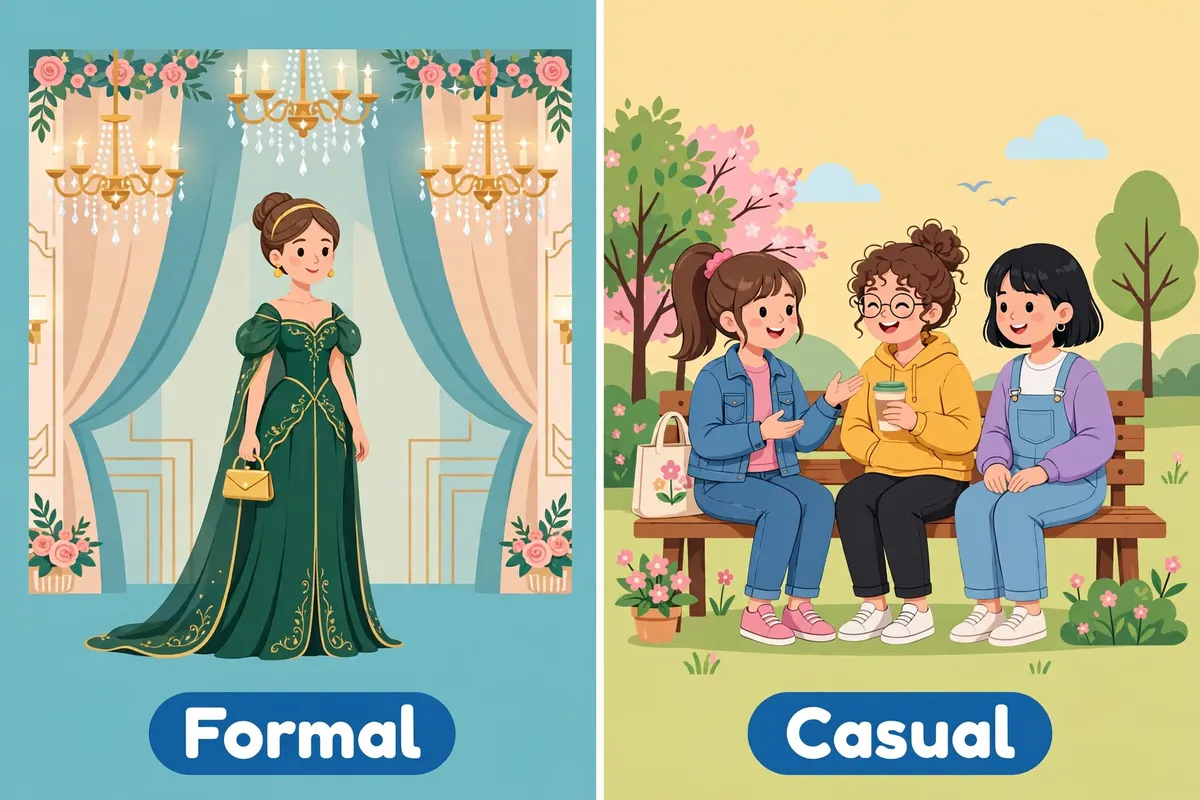
Use lovely, cute, or attractive for everyday compliments. These words sound natural in a short message, a card, or a friendly chat. They fit small, kind praise. For formal and professional writing, attractive, elegant, and appealing work well. They sound polite and clear. They also fit a report, an email, or a job letter. In creative writing, exquisite, radiant, and ethereal add more feeling. They help you paint a picture with words. They work in a poem, a story, or a song. For places and views, picturesque, charming, and breathtaking are strong choices. A picturesque village looks like a painting. A charming cottage feels warm and inviting. A breathtaking view stops you for a second. For men, handsome, good-looking, and dashing are the usual choices. Handsome suggests strong features. Good-looking is plain and neutral. Dashing suggests style and confidence. Keep pretty itself when the beauty is soft, small, and simple. A pretty flower, a pretty scarf, or a pretty smile needs no stronger word.
Benefits of Using Pretty Synonyms
The first benefit is variety. You stop repeating pretty in every sentence. Your writing sounds fresher. Your reader stays interested. The second benefit is strength. You can match the word to the beauty. Pleasant is mild. Beautiful is strong. Breathtaking is the strongest. The right strength makes your praise feel honest. The third benefit is tone. You can match formal or casual writing. Attractive fits a work email. Cute fits a text to a friend. The fourth benefit is detail. You can say what kind of beauty you see. Delicate, striking, elegant, and cute are not the same. Each word tells the reader more. The fifth benefit is respect. Pretty can sound small at times. It can make strong praise feel weak. Use beautiful, polished, or impressive when the praise should be serious. A careful word choice shows that you mean what you say. Hot and sexy are suggestive words, not neutral replacements. They do not belong in a normal list of pretty synonyms.
38 Best Pretty Synonyms at a Glance
Here is the full list at a glance. The first 10 words are everyday choices. The next 8 words are stronger and more striking. The next 10 words are elegant, refined, and charming. The last 10 words are cute or old-fashioned. Words 32 to 37 are literary, dated, or regional. Learn to recognize them, but do not use them in everyday writing.
| Synonym | Tone | Best for |
|---|---|---|
| Beautiful | Positive, warm, strong | People, places, things, moments |
| Lovely | Positive, warm, gentle | People, places, gifts, days out |
| Attractive | Neutral, polite | People, places, offers, ideas |
| Good-looking | Neutral, everyday | People of either sex |
| Appealing | Neutral, formal | Business writing, design, ideas, offers |
| Pleasing | Neutral, gentle | Colors, sounds, designs |
| Nice-looking | Casual, everyday | People, things, casual talk |
| Pleasant | Neutral, mild | Places, weather, walks |
| Fair | Literary, gentle | Literary writing, faces, skin |
| Sweet | Positive, warm, casual | Children, small gifts, gestures |
| Gorgeous | Positive, strong, informal | People, clothes, views |
| Stunning | Positive, very strong | People, views, outfits, performances |
| Radiant | Positive, warm, glowing | Brides, new mothers, happy people, smiles |
| Striking | Positive, strong, neutral | People, features, views, designs |
| Breathtaking | Positive, strongest | Views, sunsets, moments, grand scenes |
| Dazzling | Positive, very strong, bright | Performances, jewels, smiles, lights |
| Glamorous | Positive, strong, stylish | Celebrities, events, fashion |
| Ravishing | Positive, very strong, literary | Literary writing, dramatic praise |
| Elegant | Positive, formal, refined | Dresses, rooms, designs, solutions |
| Graceful | Positive, gentle, refined | Dancers, movement, manners, designs |
| Exquisite | Positive, formal, literary | Jewelry, lace, food, craft |
| Tasteful | Positive, neutral, formal | Decor, clothes, design, gifts |
| Charming | Positive, warm, gentle | Cottages, inns, villages, smiles, people |
| Alluring | Positive, strong, mysterious | People, places, offers, creative writing |
| Enchanting | Positive, warm, magical | Gardens, voices, evenings, stories |
| Picturesque | Positive, neutral | Villages, landscapes, streets, scenery |
| Dashing | Positive, stylish, mostly men | Men, young men in stories, uniforms |
| Handsome | Positive, neutral, strong-featured | Men, buildings, rooms, women with strong features |
| Cute | Positive, casual, warm | Children, pets, small things, casual talk |
| Adorable | Positive, warm, casual | Children, pets, small gifts, loved ones |
| Dainty | Positive, gentle, delicate | Hands, feet, clothes, small objects |
| Winsome | Positive, literary, sweet | Literary writing, smiles, young people |
| Ethereal | Positive, literary, dreamy | Creative writing, light, music, dreamy scenes |
| Beauteous | Positive, literary, old-fashioned | Old poems and books only |
| Comely | Neutral, literary, old-fashioned | Old books, literary writing |
| Fetching | Positive, playful, old-fashioned | Hats, dresses, playful writing |
| Bonny | Positive, warm, UK/Scottish | UK writing, babies, young women, Scottish settings |
| Angelic | Positive, warm, pure | Children, faces, voices, gentle praise |
Everyday Synonyms for Pretty
1. Beautiful
Tone: Positive, warm, strong · Uses: People, places, things, moments
Meaning: Very pleasing to look at; deeper and stronger than pretty.
Explanation: Beautiful is a much stronger word than pretty. It expresses deep admiration, not just a passing look. The word works well for a person, a place, or a moment that feels memorable.
Examples: The sunset over the lake was beautiful. She wore a beautiful white dress to the wedding.
2. Lovely
Tone: Positive, warm, gentle · Uses: People, places, gifts, days out
Meaning: Beautiful in a warm, affectionate way.
Explanation: Lovely adds warmth, affection, and a sense of care. It works well for a person, a gift, or a day out. It also describes a pleasant personality or experience, not just appearance.
Examples: She has a lovely smile. We spent a lovely afternoon in the park.
3. Attractive
Tone: Neutral, polite · Uses: People, places, offers, ideas
Meaning: Pleasing to look at, in a calm and neutral way.
Explanation: Attractive is a safe, polite word for beauty. It works for people, places, and even ideas or offers. It can also suggest a nice personality, not just a nice face.
Examples: The new cafe has an attractive entrance. He is an attractive person with a kind manner.
4. Good-looking
Tone: Neutral, everyday · Uses: People of either sex
Meaning: Pleasant to look at, plainly said.
Explanation: Good-looking is simple and direct. It describes looks only, not personality. It works for men and women in everyday talk.
Examples: The good-looking waiter smiled at us. She is a good-looking woman with short dark hair.
5. Appealing
Tone: Neutral, formal · Uses: Business writing, design, ideas, offers
Meaning: Interesting and attractive; draws you in.
Explanation: Appealing is broader than looks. It can describe a design, an idea, or an offer. It means something draws your interest in a pleasant way.
Examples: The new website has an appealing color scheme. The company made an appealing offer to its workers.
6. Pleasing
Tone: Neutral, gentle · Uses: Colors, sounds, designs
Meaning: Gives a quiet sense of happy satisfaction.
Explanation: Pleasing is a mild word. It describes something that feels nice and calm. It is weaker than pretty, so do not use it for strong praise.
Examples: The room had a pleasing mix of blue and white. Her voice has a pleasing quality.
7. Nice-looking
Tone: Casual, everyday · Uses: People, things, casual talk
Meaning: Pleasant to look at, in plain everyday words.
Explanation: Nice-looking is very plain. It works in casual talk. It sounds weak in formal writing, so choose a stronger word there.
Examples: He bought a nice-looking jacket. The house is nice-looking from the street.
8. Pleasant
Tone: Neutral, mild · Uses: Places, weather, walks
Meaning: Agreeable and nice to look at or be around.
Explanation: Pleasant is mild and general. It is about comfort, not beauty. It fits a walk, a garden, or a calm day.
Examples: The small garden is pleasant in spring. We took a pleasant walk after lunch.
9. Fair
Tone: Literary, gentle · Uses: Literary writing, faces, skin
Meaning: Beautiful because of purity, freshness or flawlessness.
Explanation: Fair is a literary word for beauty. It suggests a fresh, pure look. It also means just, light-colored, or light-skinned, and it sounds old-fashioned today.
Examples: The fair maiden smiled at the crowd. She was a fair young woman with golden hair.
10. Sweet
Tone: Positive, warm, casual · Uses: Children, small gifts, gestures
Meaning: Charming in a soft, kind, endearing way.
Explanation: Sweet can describe a look, a taste, or a kind personality. The meaning depends on the context. In a beauty sense, it means soft and endearing.
Examples: The baby wore a sweet little floral dress. She gave me a sweet picture of her dog.
Stronger Synonyms for Pretty
11. Gorgeous
Tone: Positive, strong, informal · Uses: People, clothes, views
Meaning: Extremely good-looking; high-impact beauty.
Explanation: Gorgeous is informal and strong. It expresses high-impact beauty. It is too much for a small, simple thing.
Examples: She looked gorgeous in her red dress. The beach at sunset was gorgeous.
12. Stunning
Tone: Positive, very strong · Uses: People, views, outfits, performances
Meaning: So beautiful it stops you for a moment.
Explanation: Stunning is only for real visual impact. It means the beauty stops you for a moment. Do not use it for something plain.
Examples: The bride looked stunning in white. The mountain view was stunning.
13. Radiant
Tone: Positive, warm, glowing · Uses: Brides, new mothers, happy people, smiles
Meaning: Glowing with health, happiness or light.
Explanation: Radiant means glowing, not just pretty. It needs light or joy in the picture. A happy smile or a bright face can be radiant.
Examples: The bride was radiant as she walked down the aisle. He gave a radiant smile when he saw his son.
14. Striking
Tone: Positive, strong, neutral · Uses: People, features, views, designs
Meaning: Noticeable at once because of unusual beauty.
Explanation: Striking is about standing out. A striking face is unusual, not just soft and pretty. It catches the eye at once.
Examples: She has striking blue eyes. The new building has a striking glass entrance.
15. Breathtaking
Tone: Positive, strongest · Uses: Views, sunsets, moments, grand scenes
Meaning: So beautiful it genuinely catches your breath.
Explanation: Breathtaking is the most intense word here. It means the beauty feels so strong that it takes your breath away. Do not use it casually.
Examples: The mountain scenery was breathtaking. The fireworks gave a breathtaking display.
16. Dazzling
Tone: Positive, very strong, bright · Uses: Performances, jewels, smiles, lights
Meaning: Extremely bright and impressive; hard to look away from.
Explanation: Dazzling suggests brightness and sparkle. It is not quiet charm. It fits lights, jewels, and a bright smile.
Examples: The dancers gave a dazzling performance. She wore dazzling diamond earrings.
17. Glamorous
Tone: Positive, strong, stylish · Uses: Celebrities, events, fashion
Meaning: Beautiful in a rich, showy, fashionable way.
Explanation: Glamorous is about style and show. It suggests rich clothes, makeup, and lights. It is not for simple, everyday beauty.
Examples: The actress wore a glamorous silver gown. The hotel lobby looked glamorous at night.
18. Ravishing
Tone: Positive, very strong, literary · Uses: Literary writing, dramatic praise
Meaning: Deeply attractive; beauty that overwhelms.
Explanation: Ravishing is strong and slightly old-fashioned. It means beauty that overwhelms the viewer. It is too much for everyday talk.
Examples: The queen was described as ravishing in the old tale. She wore a ravishing red gown to the ball.
Elegant Synonyms for Pretty
19. Elegant
Tone: Positive, formal, refined · Uses: Dresses, rooms, designs, solutions
Meaning: Graceful, simple and refined in style.
Explanation: Elegant is about grace and taste, not just looks. It can describe a dress, a room, or even a plan. An elegant solution is not a pretty one.
Examples: She wore an elegant black dress. The room had an elegant design with soft colors.
20. Graceful
Tone: Positive, gentle, refined · Uses: Dancers, movement, manners, designs
Meaning: Beautiful in movement or shape; smooth and easy.
Explanation: Graceful is about movement and ease. It needs motion or shape in view. A dancer, a walk, or a curve can be graceful.
Examples: The dancer made a graceful turn. The swan moved in a graceful way as it crossed the lake.
21. Exquisite
Tone: Positive, formal, literary · Uses: Jewelry, lace, food, craft
Meaning: Extremely beautiful and finely made; delicate perfection.
Explanation: Exquisite is literary and selective. It means delicate perfection. It is too grand for everyday things.
Examples: The ring had an exquisite pattern of tiny flowers. She served an exquisite piece of chocolate cake.
22. Tasteful
Tone: Positive, neutral, formal · Uses: Decor, clothes, design, gifts
Meaning: In good taste; stylish without showing off.
Explanation: Tasteful is about judgment and style. It is not about the face or body. It means something shows good taste.
Examples: The office had tasteful wooden furniture. She chose a tasteful arrangement of white flowers.
23. Charming
Tone: Positive, warm, gentle · Uses: Cottages, inns, villages, smiles, people
Meaning: Pleasantly attractive in a quaint, winning way.
Explanation: Charming is often about places and atmosphere, not just people. A cottage, a village, or a smile can be charming. It feels warm and inviting.
Examples: We stayed in a charming cottage by the sea. He gave a charming smile to the children.
24. Alluring
Tone: Positive, strong, mysterious · Uses: People, places, offers, creative writing
Meaning: Attracts you in a mysterious, magnetic way.
Explanation: Alluring suggests mystery and pull. It is stronger and less innocent than pretty. It draws you in with a quiet force.
Examples: The old house had an alluring mystery. She wore an alluring perfume to the party.
25. Enchanting
Tone: Positive, warm, magical · Uses: Gardens, voices, evenings, stories
Meaning: Lovely in a magical, spell-like way.
Explanation: Enchanting suggests magic. It is not for plain, everyday beauty. It fits a garden, a voice, or a story that feels like a spell.
Examples: The garden looked enchanting under the moonlight. She told an enchanting story to the kids.
26. Picturesque
Tone: Positive, neutral · Uses: Villages, landscapes, streets, scenery
Meaning: Visually pleasing like a painting.
Explanation: Picturesque is only for places and views, never for a person. It means the scene looks like a painting. A village or a valley can be picturesque.
Examples: We visited a picturesque coastal village. The valley offered a picturesque view of the hills.
27. Dashing
Tone: Positive, stylish, mostly men · Uses: Men, young men in stories, uniforms
Meaning: Handsome and stylish in a bold, confident way.
Explanation: Dashing is mostly for men. Do not use it for a woman or a garden. It suggests bold style and confidence.
Examples: He looked dashing in his navy suit. The dashing young officer smiled at the crowd.
28. Handsome
Tone: Positive, neutral, strong-featured · Uses: Men, buildings, rooms, women with strong features
Meaning: Attractive through proportion, symmetry and strong features.
Explanation: Handsome is traditionally for men. For a woman, it means strong features, not delicate beauty. It can also describe a building or a room.
Examples: He is a handsome man with a strong jaw. The old library is a handsome stone building.
Cute and Old-Fashioned Synonyms for Pretty
29. Cute
Tone: Positive, casual, warm · Uses: Children, pets, small things, casual talk
Meaning: Charming and endearing, often small or youthful.
Explanation: Cute is youthful and endearing. It is not the same as pretty. Do not call a formal portrait cute.
Examples: The puppy has cute little ears. The baby looked cute in her yellow sweater.
30. Adorable
Tone: Positive, warm, casual · Uses: Children, pets, small gifts, loved ones
Meaning: So sweet and charming you cannot help liking it.
Explanation: Adorable is stronger than cute. It is mostly for children, animals, and small things. It expresses a warm, loving feeling.
Examples: The baby is absolutely adorable. She gave me an adorable handmade card.
31. Dainty
Tone: Positive, gentle, delicate · Uses: Hands, feet, clothes, small objects
Meaning: Small, neat and delicately pretty.
Explanation: Dainty is about smallness and delicacy. It sounds old-fashioned for a grown woman today. It fits small hands, clothes, or objects.
Examples: She wore a dainty silver bracelet. The cup had dainty white petals on its rim.
32. Winsome
Tone: Positive, literary, sweet · Uses: Literary writing, smiles, young people
Meaning: Innocently charming; winning in a sweet way.
Explanation: Winsome is literary and rare in everyday talk. It means innocently charming. Many readers may not know it.
Examples: The winsome young heroine won the crowd. He gave a winsome smile to the teacher.
33. Ethereal
Tone: Positive, literary, dreamy · Uses: Creative writing, light, music, dreamy scenes
Meaning: Light, airy, almost otherworldly beauty.
Explanation: Ethereal is literary and means unearthly, not just pretty. It is too much for everyday use. It fits light, music, or a dreamy scene.
Examples: Her ethereal voice filled the hall. The morning light gave an ethereal glow to the lake.
34. Beauteous
Tone: Positive, literary, old-fashioned · Uses: Old poems and books only
Meaning: Beautiful, in old literary language.
Explanation: Beauteous is archaic and literary. Recognize it when reading old poems, but do not use it in modern writing. It means beautiful in an old style.
Examples: The beauteous queen sat on her throne. The poet wrote of a beauteous garden in spring.
35. Comely
Tone: Neutral, literary, old-fashioned · Uses: Old books, literary writing
Meaning: Pleasant to look at in a calm, cool way.
Explanation: Comely is dated. Modern writers say attractive instead. It means pleasant in a calm, cool way, not with strong feeling.
Examples: The comely young farmer smiled at the market. She was a comely figure in the old painting.
36. Fetching
Tone: Positive, playful, old-fashioned · Uses: Hats, dresses, playful writing
Meaning: Attractive in a way that draws attention.
Explanation: Fetching is old-fashioned and playful. It means attractive in a way that draws the eye. It fits hats, dresses, and light writing.
Examples: She wore a fetching little hat. The dress had a fetching floral pattern.
37. Bonny
Tone: Positive, warm, UK/Scottish · Uses: UK writing, babies, young women, Scottish settings
Meaning: Healthy-looking and pretty; bonny in Scotland and northern England.
Explanation: Bonny is UK and regional. It is used in Scotland and northern England. An American reader may not know it, so do not use it in US formal writing.
Examples: The bonny young lass sang a song. The family had a bonny little child.
38. Angelic
Tone: Positive, warm, pure · Uses: Children, faces, voices, gentle praise
Meaning: Beautiful like an angel; pure and innocent.
Explanation: Angelic suggests purity and innocence. It is too much for ordinary good looks. It fits a child, a face, or a voice that feels pure.
Examples: The child had an angelic face. Her angelic voice made the room quiet.
Pretty vs Beautiful vs Gorgeous vs Cute
| Word | Core idea | Strength | Best for | Example |
|---|---|---|---|---|
| Pretty | Soft, delicate, pleasant beauty | Mild | Girls, small things, gardens, everyday compliments | She wore a pretty blue dress to the party. |
| Beautiful | Deep, full beauty that stirs feeling | Strong | People, places, music, moments | The garden is beautiful in spring. |
| Gorgeous | Extremely good-looking; high impact | Very strong | People, fashion, views, captions | She looked gorgeous in that dress. |
| Cute | Sweet, youthful, endearing charm | Mild | Children, pets, small things, casual talk | That puppy is so cute. |
If the beauty is soft and small, say pretty. If it moves you deeply, say beautiful. If it stops people in their tracks, say gorgeous. If it is small, young or endearing, say cute.
The difference is about the impression you want to express. Pretty is light and gentle. Beautiful is deep and full. Gorgeous is strong and high-impact. Cute is sweet and youthful.
Pretty vs handsome: Pretty means delicate, mostly women and girls. Handsome means strong features, mostly men.
Pretty vs lovely: Lovely adds warmth and personality. Pretty is looks only.
Other Ways to Say “She’s Pretty”
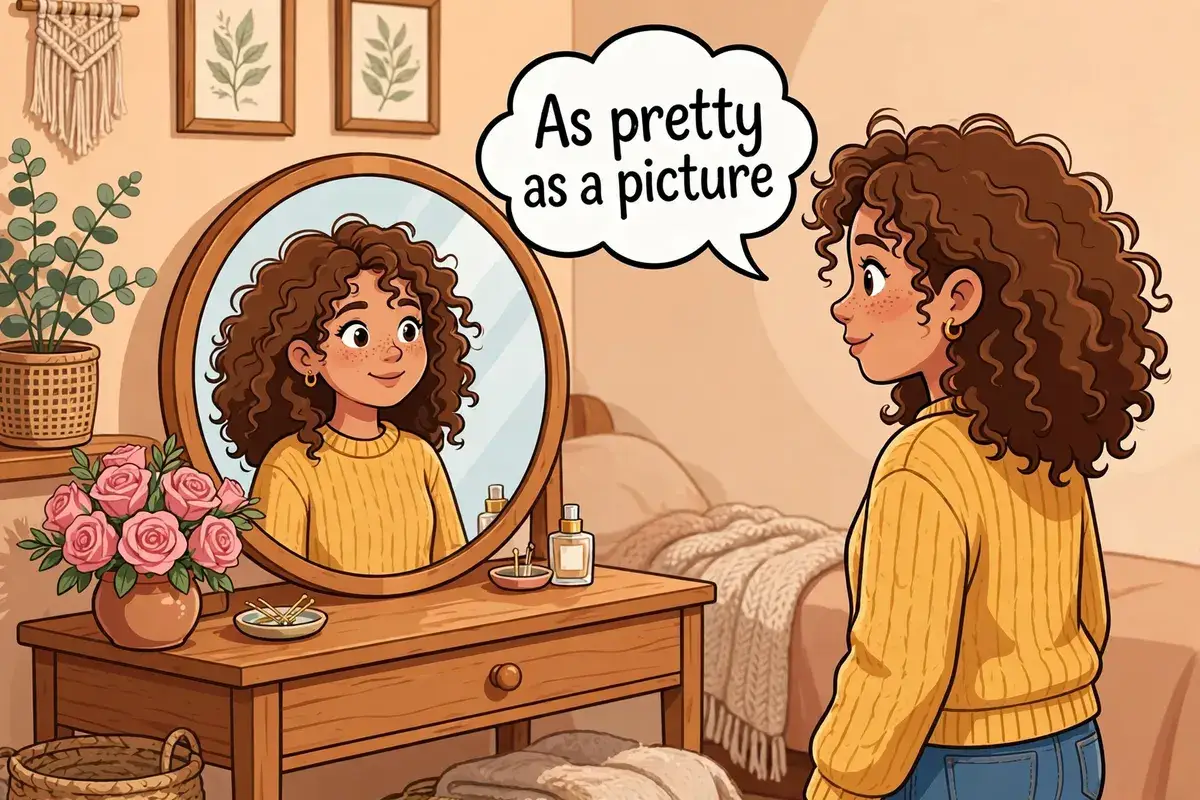
As pretty as a picture: This is the classic idiom for a very pretty face. It is old-fashioned.
Easy on the eye: This is a casual way to say someone is pleasant to look at.
Pleasing to the eye: This is the neutral, slightly formal form of the same idea.
Drop-dead gorgeous: This is much stronger than pretty. It describes a show-stopping look.
Nice to look at: This is the plainest everyday phrase.
Beautiful inside and out: This is about inner beauty, not looks alone. It means the person is kind as well as good-looking.
Antonyms of Pretty
Pretty does have a direct opposite. Ugly is the direct opposite. It means unpleasant in appearance.
Unattractive means not pleasing to look at. It is the polite, neutral opposite.
Plain means simple and without decoration. A plain face is not ugly, just not striking.
Homely means unattractive in a simple way. In the UK, homely can also mean cozy and comfortable. In the US, it means plain or unattractive.
Hideous means extremely ugly and shocking. It is the strongest opposite.
Unsightly means unpleasant to see. It is used for things and places more than people.
Drab means dull and lacking color.
Unappealing means not interesting or attractive.
Eyesore means something very ugly in its surroundings.
FAQs
Frequently Asked Questions
1. What is another word for pretty?
Beautiful is a good choice when you want deeper praise. Attractive works for neutral or formal descriptions, while cute suits casual compliments about youthful charm. The right word depends on the person, object or situation.
2. What is the difference between pretty and beautiful?
Beautiful is deeper, stronger and more emotional than pretty. Pretty suggests gentle, delicate charm, while beautiful expresses fuller admiration. A small wildflower may be pretty, while a mountain range can be beautiful.
3. What is a formal synonym for pretty?
Attractive, appealing and elegant are useful formal alternatives. Attractive describes appearance, appealing works for designs or ideas, and elegant suggests refined style. Choose the word that matches what you’re describing in a report or professional message.
4. What is an informal synonym for pretty?
Cute and lovely are common informal alternatives. Cute suggests youthful or endearing charm, while lovely feels warm and affectionate. Gorgeous is another casual choice, but it expresses much stronger admiration than pretty.
5. What is the opposite of pretty?
Ugly is the direct opposite of pretty. Plain and unattractive are milder choices, while unsightly often describes unpleasant objects or places. Hideous is much stronger and describes something extremely unpleasant to look at.
6. Can pretty describe a man?
Yes, but pretty is traditionally used more often for women, girls and things. Handsome is the usual choice for a man with strong features. Good-looking and attractive are neutral alternatives that work for any gender.